
Bryant Evolution Thermostat Manual: Comprehensive Guide
This comprehensive guide details the Bryant Evolution Thermostat, covering installation, operation, and troubleshooting. Resources like the SYSTXBB4ZC01 installation guide and SYSTXBBUIZ01 user manual are readily available for detailed assistance.
The Bryant Evolution Thermostat, specifically models like SYSTXBB4ZC01 and SYSTXBBUIZ01, represents a significant advancement in home comfort control. These thermostats aren’t simply temperature regulators; they are integral components of a sophisticated zoning system designed for optimal efficiency and personalized comfort. Understanding its capabilities requires reviewing the complete installation manual before beginning any work.
This system dynamically adjusts to your lifestyle, offering features like automated away temperature settings to maximize energy savings. The Evolution system’s intelligence extends to humidity control, ensuring a comfortable indoor environment year-round. Accessing the user manual and installation guide, available online through resources like thermostat.guide and the Internet Archive, is crucial for proper setup and operation. These manuals provide detailed instructions and safety considerations, ensuring a smooth and effective installation process.
Understanding the Evolution System
The Bryant Evolution System is a comprehensive home comfort solution centered around intelligent zoning and precise climate control. It moves beyond traditional heating and cooling by utilizing a network of components, including the Evolution thermostat (SYSTXBB4ZC01), zoning dampers, and smart sensors. This interconnectedness allows for customized temperature settings in different areas of your home, optimizing comfort and reducing energy waste.
Key to the system’s functionality is its ability to learn and adapt. The thermostat can automatically determine optimal away temperatures, maximizing savings without sacrificing comfort. Proper installation, guided by the SYSTXBB4ZC01 Installation Guide, is vital for system performance. Understanding the interaction between the thermostat, damper control, and sensors – detailed in the SYSTXBBUIZ01 User Manual – unlocks the full potential of this advanced system, ensuring a consistently comfortable and efficient home environment.
Safety Precautions During Installation & Operation
Prioritize safety during Bryant Evolution Thermostat installation and operation. Always disconnect power at the breaker before commencing any wiring work to prevent electrical shock. Adhere strictly to all local and national electrical codes; improper wiring can cause damage to the Evolution system and pose a fire hazard. Carefully read and follow all manufacturer instructions, as outlined in the SYSTXBB4ZC01 guide.
Ensure all connections are secure and properly insulated. This system involves low-voltage wiring, but professional installation is recommended if you are unfamiliar with electrical work. During operation, avoid exposing the thermostat to excessive moisture or extreme temperatures. Regularly inspect wiring for damage. The SYSTXBBUIZ01 manual provides crucial operational safety information. Ignoring these precautions could lead to system malfunction or personal injury.
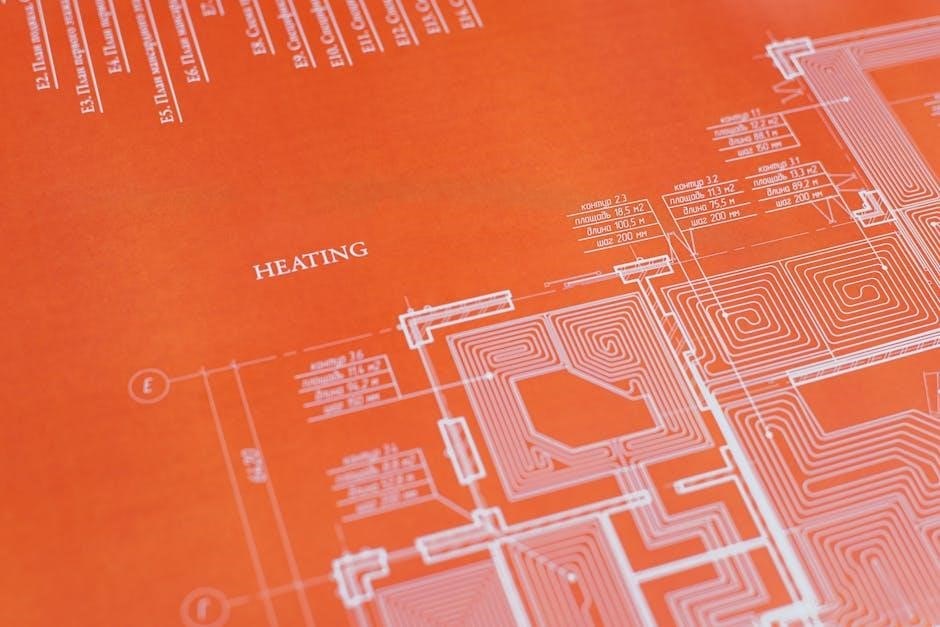
Installation Process
Proper installation of the Bryant Evolution Thermostat involves locating control components, careful wiring, and secure component installation, as detailed in the SYSTXBB4ZC01 guide.
Locating Control Components
Successful installation hinges on correctly locating essential control components. The Evolution Damper Control requires a strategic position within the ductwork system, ensuring optimal airflow management. Carefully consult the SYSTXBB4ZC01 guide for precise placement instructions.
Next, identify the location for the Master Zoning Wall Control; this central hub manages your zoned heating and cooling. Consider accessibility and visibility when choosing its spot.
Sensor placement is equally critical. Zoning Smart Sensors should be positioned to accurately measure temperature in each zone, avoiding direct sunlight, drafts, or proximity to heat sources. Proper sensor placement guarantees consistent and comfortable temperatures throughout your home. Refer to the installation manual for detailed sensor placement guidelines to maximize system efficiency and performance.
Evolution Damper Control Location
Locating the Evolution Damper Control is a crucial step in the installation process. This component directly manages airflow to individual zones, impacting overall system efficiency. The SYSTXBB4ZC01 installation guide emphasizes mounting the control near the zone damper actuator, ensuring a secure and reliable connection.
Accessibility is key; technicians will need convenient access for maintenance and troubleshooting. Ensure sufficient space around the control for wiring and adjustments. Protect the control from excessive moisture or extreme temperatures, as these conditions can compromise its performance.
Proper placement minimizes wiring runs and signal interference, contributing to a stable and responsive zoning system. Always adhere to the manufacturer’s recommendations outlined in the installation manual for optimal functionality and longevity of the Evolution Damper Control.
Master Zoning Wall Control Location
Selecting the ideal location for the Master Zoning Wall Control is vital for user convenience and system effectiveness. This central hub manages the entire zoning system, so accessibility is paramount. The SYSTXBB4ZC01 installation guide suggests a common area, easily reachable by household members, but away from direct sunlight, heat sources, or moisture.
Avoid locations prone to drafts or physical impact, which could damage the control. Ensure the chosen wall provides adequate support for mounting. Consider proximity to electrical outlets, as the control requires a consistent power supply.
Proper placement facilitates effortless temperature adjustments and zone control, maximizing comfort and energy savings. Refer to the installation manual for specific mounting instructions and wiring diagrams to guarantee a secure and functional installation of the Master Zoning Wall Control.
Sensor Placement Guidelines
Optimal placement of the Zoning Smart Sensors is crucial for accurate temperature readings and efficient zone control within the Bryant Evolution System. These sensors monitor room temperatures, relaying data to the thermostat for precise heating and cooling adjustments.
Avoid locating sensors near heat sources like lamps or direct sunlight, as this can lead to falsely elevated readings. Similarly, keep them away from drafts, exterior doors, or windows, which can cause inaccurate temperature detection. Mount sensors approximately 5 feet from the floor, ensuring good air circulation around the device.
Strategic sensor placement in each zone guarantees consistent comfort and minimizes temperature discrepancies. Refer to the SYSTXBB4ZC01 installation guide for detailed instructions and recommended sensor locations to optimize system performance.
Wiring Requirements & Considerations
Proper wiring is paramount for the safe and effective operation of the Bryant Evolution Thermostat. All wiring must strictly adhere to local and national electrical codes, ensuring compliance and preventing potential hazards; Improper installation can damage the system and void warranties.
Typically, the system requires a 24VAC power source. Carefully identify and connect the appropriate wires to the designated terminals on both the thermostat and the control panel. Pay close attention to polarity and wire gauge recommendations outlined in the SYSTXBB4ZC01 installation guide.
Ensure all connections are secure and insulated to prevent short circuits. Double-check the wiring diagram before energizing the system. If unsure about any aspect of the wiring process, consult a qualified HVAC technician for assistance.
Component Installation Steps
Begin by carefully unpacking all components and verifying their presence against the parts list in the SYSTXBB4ZC01 installation guide. Prior to installation, ensure the system’s power is completely disconnected at the breaker.

Installing the Zoning Smart Sensor requires selecting an appropriate location, avoiding direct sunlight and airflow. Securely mount the sensor and connect the wiring according to the provided diagrams. Next, address ductwork considerations, ensuring proper sealing and insulation.
For round metal ductwork, use appropriate connectors and sealant. Rectangular ductwork requires careful alignment and secure fastening. Refer to the manual for specific recommendations regarding duct size and layout. Finally, double-check all connections before restoring power.
Installing the Zoning Smart Sensor
Begin by selecting a representative location within the zone, avoiding direct sunlight, drafts, or proximity to heat sources. The sensor should be approximately 5 feet above the floor for accurate temperature readings. Securely mount the sensor using the provided screws, ensuring a stable and level installation.
Next, carefully connect the wiring to the sensor, referencing the wiring diagrams in the SYSTXBB4ZC01 installation guide. Ensure proper polarity and secure connections to prevent signal interference. Verify that the wiring is neatly tucked away and protected from damage.
After wiring, power on the system briefly to confirm the sensor is communicating with the thermostat. If no communication is established, double-check the wiring and sensor placement. Repeat the process if necessary, consulting the troubleshooting section of the manual.
Ductwork Considerations

Proper ductwork is crucial for optimal performance of the Bryant Evolution system. Ensure all duct connections are airtight and well-sealed to prevent air leakage, maximizing efficiency. Inspect ductwork for any damage, kinks, or obstructions that could restrict airflow.
When installing or modifying ductwork, adhere to industry best practices and local building codes. Consider using insulated ductwork to minimize heat loss or gain, further enhancing energy savings. Proper sizing of ductwork is essential to deliver adequate airflow to each zone.
Refer to the SYSTXBB4ZC01 installation guide for specific recommendations regarding ductwork materials and installation techniques. Addressing ductwork issues proactively will contribute to a comfortable and efficient home environment. Remember to consult a qualified HVAC professional for complex ductwork modifications.
Round Metal Ductwork Installation
When utilizing round metal ductwork with the Bryant Evolution system, meticulous installation is paramount. Ensure all joints are securely sealed with appropriate metal tape – avoid using duct tape, as it degrades over time. Support the ductwork adequately to prevent sagging and maintain proper airflow.
Employ hangers spaced according to the duct diameter and length, adhering to local building codes. Minimize bends and turns in the ductwork to reduce airflow resistance. Properly insulate round metal ducts to prevent heat loss or gain, enhancing system efficiency.
Carefully inspect all connections for leaks after installation, utilizing a smoke pencil if necessary. Refer to the SYSTXBB4ZC01 guide for specific recommendations on metal ductwork sizing and support. Correct installation of round metal ductwork contributes significantly to the overall performance and longevity of your Evolution system.
Rectangular Ductwork Installation
For rectangular ductwork installations with the Bryant Evolution system, precision is key to optimal performance. Ensure all seams are tightly sealed using appropriate duct sealant, not just tape, to prevent air leakage. Reinforce corners with metal corner beads for added strength and durability.
Properly support rectangular ducts with hangers spaced according to code and duct dimensions, preventing stress on joints. Minimize sharp bends, as they significantly restrict airflow; use gradual turns whenever possible. Insulate rectangular ductwork thoroughly to maintain consistent temperatures and reduce energy loss.
Verify that duct sizes align with the system’s airflow requirements, as detailed in the SYSTXBB4ZC01 installation guide. Inspect all connections for airtightness post-installation. Correct rectangular ductwork installation is crucial for maximizing the efficiency and effectiveness of your Evolution system.
Thermostat Features & Functionality
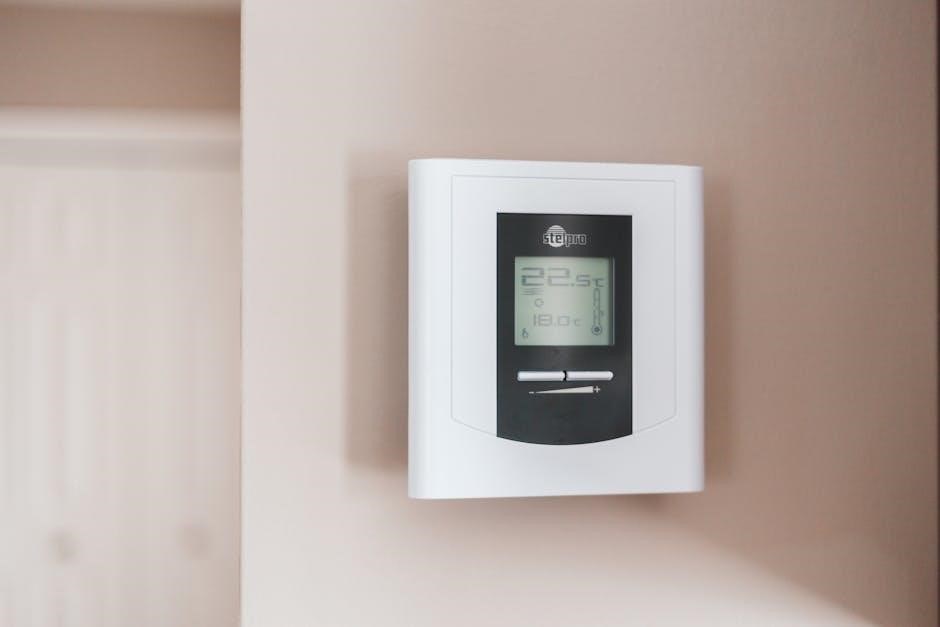
The Bryant Evolution thermostat boasts an intuitive user interface, programmable schedules, and energy-saving modes like Away. Humidity control and dynamic temperature adjustments enhance comfort and efficiency.
Understanding the User Interface
The Bryant Evolution thermostat features a sophisticated, yet user-friendly interface designed for intuitive control of your home’s comfort. The display presents current temperature settings, humidity levels, and system status at a glance. Navigating the menu is typically achieved through a combination of touchscreen controls or physical buttons, depending on the specific model (SYSTXBBUIZ01).
Key icons indicate operational modes such as Heat, Cool, Auto, and Off. Users can easily adjust temperature setpoints, fan speed, and access advanced settings. The interface allows for customized scheduling, enabling you to create personalized comfort profiles for different times of the day and week. Furthermore, the thermostat provides access to system diagnostics and troubleshooting information, assisting in identifying and resolving potential issues. Understanding these features empowers users to optimize their home’s climate control and energy efficiency.
Programming Temperature Schedules
The Bryant Evolution thermostat excels in energy management through customizable temperature schedules. Users can define unique settings for each day of the week, optimizing comfort and reducing energy consumption. Typically, schedules are programmed in multiple periods – Wake, Leave, Return, and Sleep – allowing precise temperature control throughout the day.
Accessing the scheduling function usually involves navigating the thermostat’s menu via the touchscreen or buttons. You can set different temperatures for each period, ensuring optimal comfort when occupied and energy savings when away. The system supports temporary overrides, allowing for adjustments without disrupting the programmed schedule. Advanced features may include learning capabilities, where the thermostat adapts to your preferences over time. Properly programmed schedules maximize the benefits of your Evolution system, delivering both comfort and cost savings.
Away Mode & Energy Saving Features
The Bryant Evolution thermostat incorporates several features designed to minimize energy usage during periods of absence. Away Mode allows users to set a consistent, lower temperature while away from home, significantly reducing heating or cooling costs. This mode can be activated manually or, in some models, automatically based on a pre-defined schedule or geofencing technology.
Beyond Away Mode, the Evolution system dynamically determines the optimal away temperature to maximize savings. This intelligent feature learns occupancy patterns and adjusts accordingly. Additional energy-saving capabilities include humidity control, which optimizes comfort levels while reducing energy consumption. The system also supports energy reports, providing insights into usage patterns and potential areas for improvement. Utilizing these features ensures efficient operation and lower utility bills.
Humidity Control Capabilities
The Bryant Evolution thermostat offers sophisticated humidity control, enhancing comfort and protecting your home. This feature works in conjunction with a compatible whole-home dehumidification system, allowing precise regulation of indoor humidity levels. Users can set desired humidity percentages, ensuring a comfortable environment regardless of external weather conditions.
Precise humidity control prevents issues like mold growth and wood warping, safeguarding your property. The thermostat seamlessly integrates with the Evolution system, optimizing both temperature and humidity for maximum efficiency. Furthermore, maintaining optimal humidity levels can improve air quality and reduce allergy symptoms. The system dynamically adjusts operation to maintain the set humidity, providing consistent comfort and protecting your investment. Proper humidity management contributes to a healthier and more enjoyable living space.

Troubleshooting Common Issues
This section addresses frequent problems like power failures, connectivity issues, inaccurate readings, and damper malfunctions. Refer to the manual for detailed diagnostic steps and solutions.
Thermostat Not Powering On
If your Bryant Evolution Thermostat fails to power on, several factors could be at play. First, verify the power supply at the furnace or air handler is active and delivering the correct voltage, as specified in the installation guide. Check the circuit breaker dedicated to the HVAC system; a tripped breaker will immediately halt power.
Next, carefully inspect the wiring connections at both the thermostat and the control panel. Ensure all wires are securely fastened and haven’t become loose or disconnected. Look for any signs of corrosion or damage to the wires themselves. Confirm the thermostat is receiving the necessary ‘C’ wire (common wire) for continuous power – this is crucial for many modern thermostats.
If the wiring appears sound, consult the SYSTXBB4ZC01 installation guide for specific troubleshooting steps related to power issues. A faulty transformer within the HVAC system could also be the culprit, requiring professional diagnosis and replacement. Remember to always disconnect power before inspecting any wiring!
Connectivity Problems & Solutions

Experiencing connectivity issues with your Bryant Evolution Thermostat can disrupt remote access and advanced features. First, ensure your home’s Wi-Fi network is functioning correctly and has a strong signal strength at the thermostat’s location. Verify the thermostat is connected to the correct Wi-Fi network and that the password entered is accurate.

If the connection remains unstable, try restarting both your Wi-Fi router and the thermostat itself. Consult the SYSTXBBUIZ01 user manual for specific instructions on resetting the network connection. Check for any firmware updates available for the thermostat; outdated firmware can sometimes cause connectivity problems.
Additionally, interference from other wireless devices can disrupt the signal. Consider relocating the router or thermostat to minimize interference. If problems persist, contact Bryant support for assistance, providing details about your network setup and any error messages displayed.
Incorrect Temperature Readings
Inaccurate temperature readings from your Bryant Evolution Thermostat can lead to discomfort and inefficient energy usage. First, ensure the thermostat isn’t directly exposed to sunlight, drafts, or heat sources like lamps or appliances, as these can skew readings. Verify the thermostat is level and securely mounted to the wall.
Check the sensor placement guidelines outlined in the SYSTXBB4ZC01 installation guide; improper sensor location can significantly impact accuracy. Compare the thermostat’s reading with a reliable thermometer placed nearby. If a discrepancy exists, recalibrate the thermostat following the instructions in the user manual (SYSTXBBUIZ01).
Consider that ductwork issues or airflow restrictions can also contribute to inaccurate readings. If recalibration doesn’t resolve the problem, contact a qualified HVAC technician for further diagnosis and potential repairs.
Damper Control Malfunctions
Damper control malfunctions within the Bryant Evolution system can disrupt airflow and compromise zoned heating or cooling. Initial troubleshooting involves verifying the power supply to the damper control unit, referencing the SYSTXBB4ZC01 installation guide for wiring diagrams. Ensure all connections are secure and conform to local electrical codes.
Check for obstructions within the ductwork that might impede damper movement. Confirm the master zoning wall control is functioning correctly and communicating with the damper control. If the dampers aren’t responding to thermostat commands, consult the SYSTXBBUIZ01 user manual for reset procedures.
Improper wiring or a faulty damper control module are common causes. For complex issues, or if you’re uncomfortable working with electrical components, it’s crucial to contact a qualified HVAC technician for professional diagnosis and repair.

Manual & Documentation Resources
Access vital resources like the SYSTXBB4ZC01 installation guide and SYSTXBBUIZ01 user manual online. Review revision histories for updates and detailed system information.
Accessing the SYSTXBB4ZC01 Installation Guide
The SYSTXBB4ZC01 Installation Guide is a crucial document for anyone undertaking the installation of a Bryant Evolution thermostat system. This guide provides detailed, step-by-step instructions covering everything from locating control components – including the Evolution Damper Control and Master Zoning Wall Control – to precise sensor placement guidelines.
It emphasizes the importance of reading the entire manual before beginning any work, and highlights critical safety considerations. The guide meticulously outlines wiring requirements, ensuring adherence to local and national electrical codes. Furthermore, it details component installation procedures, specifically addressing round metal and rectangular ductwork installations.
Users can find this guide through various online resources, including the thermostat.guide website, which consolidates key documentation. Paying close attention to the symbols indicating changes since the last issue is vital for ensuring the installation aligns with the most current best practices. Proper installation, guided by this manual, is paramount for optimal system performance and longevity.
Downloading the SYSTXBBUIZ01 User Manual
The SYSTXBBUIZ01 User Manual is readily accessible for download, offering comprehensive instructions on operating your Bryant Evolution thermostat. This manual, available through platforms like the Internet Archive, provides a detailed understanding of the thermostat’s features and functionality. It’s a valuable resource for navigating the user interface, programming temperature schedules, and utilizing energy-saving features like Away Mode.
The manual also explains the thermostat’s humidity control capabilities, allowing users to optimize home comfort. With a file size of approximately 13.1MB to 13.7MB, the download is quick and efficient. The Internet Archive provides access to older versions as well, identified by specific dates like 2020-08-19 and 2021-06-25.
Users can easily search for “manuals_bryant” or “manualsbase-id-585239” on the Internet Archive to locate the correct file. This manual empowers users to fully leverage their Bryant Evolution thermostat’s capabilities for efficient and comfortable climate control.
Understanding Revision History & Updates
Tracking revision history is crucial when working with the Bryant Evolution thermostat, as updates refine functionality and address potential issues. The installation instructions often indicate changes since the last issue with a specific symbol, alerting installers to new information. Staying current with these revisions ensures optimal system performance and adherence to the latest safety standards.
Manufacturers regularly release updates to improve the user experience and resolve any discovered bugs. These updates may affect wiring diagrams, installation procedures, or thermostat features. Checking the documentation for dates like 2023-02-28T07:23:13 or 2021-06-25 can help determine if you have the most recent version.
Accessing the latest manuals – SYSTXBB4ZC01 and SYSTXBBUIZ01 – through official Bryant resources or reputable archives like the Internet Archive is vital. Understanding the evolution of the system through these revisions guarantees a smooth installation and efficient operation.