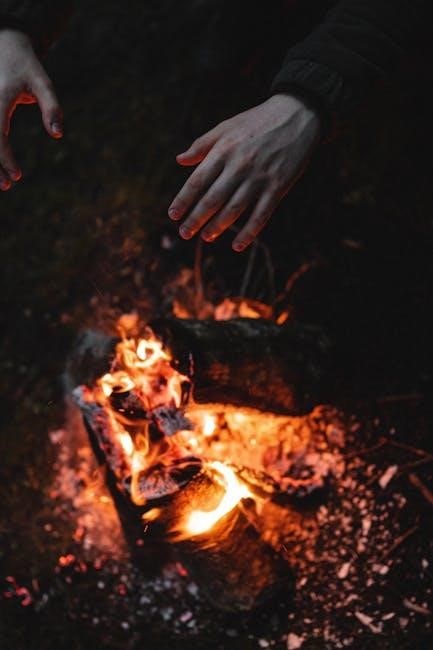
Wilderness long-term survival requires preparation, skills, and resilience. Understanding key principles ensures safety and sustainability in remote environments, focusing on shelter, water, food, and mental strength.
1.1 Understanding the Importance of Preparation
Preparation is crucial for wilderness survival, as it directly impacts safety and sustainability. Having the right tools, knowledge, and mindset can mean the difference between life and death. Proper planning ensures access to essential resources like water, shelter, and food, while also reducing the risk of accidents and exposure. Preparation builds confidence and readiness, enabling individuals to face challenges effectively in remote environments.
1.2 Key Principles of Wilderness Survival
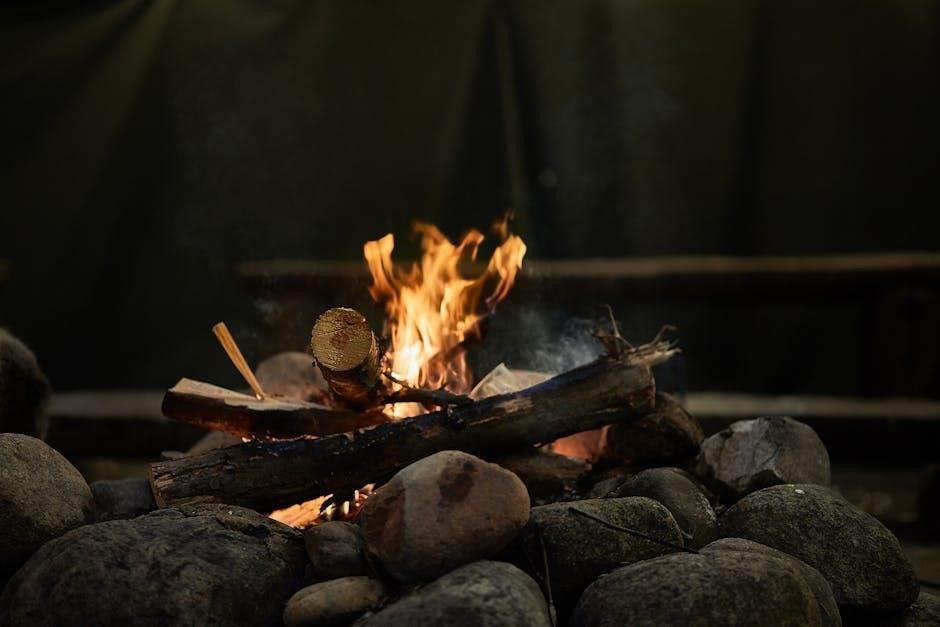
Wilderness survival relies on core principles: staying calm, conserving energy, and prioritizing basic needs. Shelter, water, and fire are essential for protection and sustenance. Navigation skills and signaling for help are critical for rescue. Mental resilience and adaptability enhance survival chances, while knowledge of the environment helps avoid dangers. These principles form the foundation for enduring prolonged stays in the wild effectively.
Essential Survival Skills for the Wilderness
Mastering wilderness survival skills is crucial for staying alive. Key skills include finding water, building shelter, starting a fire, and signaling for help, ensuring basic needs are met.
2.1 Finding and Purifying Water Sources
Locating and purifying water is vital for survival. Identify streams, ponds, or springs, and collect dew or rainwater. Purify using boiling, sand filtration, or solar disinfection to ensure safety and prevent waterborne illnesses.
2.2 Building Shelter in Various Terrains
Constructing shelter in diverse terrains requires adaptability. Use natural materials like branches, leaves, and snow to build lean-tos, debris huts, or snow shelters. Choose elevated, dry locations, avoiding low areas prone to flooding. Ensure structures are sturdy, insulated, and camouflaged for protection from elements and wildlife. Proper shelter construction is crucial for survival, providing safety and reducing energy loss in harsh environments.
2.3 Starting a Fire Without Modern Tools
Starting a fire without modern tools is essential for warmth, cooking, and signaling. Methods include friction (e.g., stick drilling), bow drills, solar fire starting with a magnifying glass or clear plastic, and flint-and-steel techniques. Prepare a dry, sheltered area, gather tinder, and maintain a manageable size for safety and efficiency. Fire boosts morale and is a critical survival asset.
Navigation and Orientation Techniques
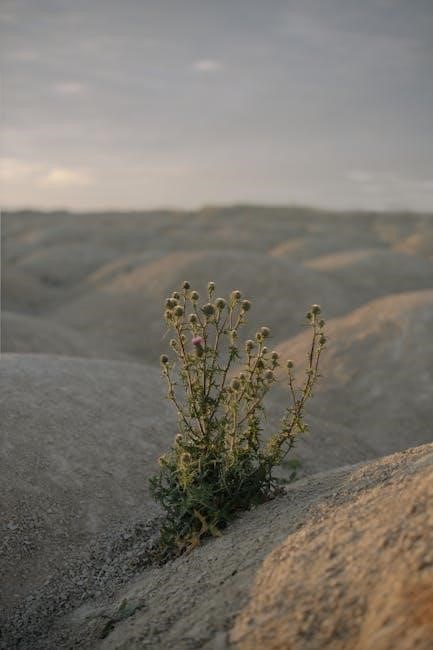
Navigation and orientation are crucial for wilderness survival, ensuring you stay on course and locate essential resources. Mastering these skills helps you find your way back safely.
3.1 Using a Compass for Direction
Using a compass for direction is essential in wilderness survival. Hold it level, orient the needle, and align the direction-of-travel arrow. Natural navigation methods can supplement compass use, ensuring accurate bearings and safe travel through unfamiliar terrain.
3.2 Reading Natural Signs for Navigation
Reading natural signs enhances navigation skills in the wilderness. Observe the sun’s position, as it rises in the east and sets in the west. Use natural landmarks like rivers or mountain ranges to guide direction. Moss often grows on the north side of trees in the northern hemisphere, aiding orientation. These natural cues help navigate effectively without modern tools.

Signaling for Help and Rescue
Signaling for help is crucial in wilderness survival; Use smoke, mirrors, or reflective objects to attract attention. Create visible signals like SOS to increase rescue chances.
4.1 Creating Visible Signals
Creating visible signals is essential for rescue. Use natural materials like leaves or stones to form large, clear symbols such as “HELP” or “SOS.” Arrange logs or branches in a visible pattern. Build a smoky fire during the day to attract attention. Use contrasting colors to make your signals stand out. Ensure your signals are large enough to be seen from a distance, ideally on a ridge or open clearing.
4.2 Using Reflective Objects and Smoke
Reflective objects like mirrors, shiny metal, or polished stones can catch sunlight and signal rescuers. Angle the reflection toward any passing aircraft or distant observers for maximum visibility.
Smoke signals are highly visible during the day. Create a fire in an open area and add green leaves or wet wood to produce thick smoke. Use bursts of smoke to conserve fuel and attract attention effectively.
Food Procurement in the Wild
Procuring food in the wild involves hunting, foraging, and trapping. It requires knowledge of edible plants, animal behavior, and sustainable practices to ensure long-term survival.
5.1 Hunting and Trapping Small Game
Hunting and trapping small game are essential survival skills, providing a reliable food source. Traps like snares and pitfalls require patience and knowledge of animal behavior.
Using makeshift weapons or bows ensures a sustainable food supply. Always prioritize safety and ethical practices to avoid harming oneself or the environment unnecessarily.
5.2 Identifying Edible Plants and Berries
Identifying edible plants and berries is crucial for wilderness survival. Look for familiar species like dandelions, wild garlic, and berries such as blueberries or raspberries. Avoid plants with warning signs like shiny leaves or milky sap. Proper identification ensures safety and provides essential nutrients for sustenance in the wild.

Health and Hygiene in Wilderness
Maintaining health and hygiene in the wilderness is vital for survival. Proper wound care, sanitation, and disease prevention ensure well-being and prevent infections in remote environments.
6.1 Treating Injuries and Wounds
Treating injuries and wounds in the wilderness is critical for preventing infections and promoting healing. Clean wounds with purified water, apply antiseptic solutions, and cover with sterile dressings. Monitor for signs of infection, such as redness or swelling, and change dressings regularly. For deep wounds, use tourniquets to control bleeding if necessary. Natural remedies like plant-based antiseptics can also be effective. Always prioritize hygiene to avoid complications and ensure proper recovery.
6.2 Maintaining Personal Hygiene
Maintaining personal hygiene in the wilderness is essential for health and morale. Clean hands regularly with water or hand sanitizer before eating or treating wounds. Use natural water sources for bathing when possible, and wash clothing to prevent odor buildup. Keep your shelter area clean to avoid attracting pests and reduce the risk of disease transmission.
Mental and Emotional Resilience
Mental resilience is crucial for survival, enabling individuals to stay focused and positive despite challenges. Managing stress and fear helps maintain clarity and decision-making abilities.
7.1 Staying Positive and Focused
Mental resilience is key to survival. Staying positive helps maintain focus and clarity, enabling better decision-making. Setting small, achievable goals keeps motivation high. Celebrating progress, no matter how minor, boosts morale. Engaging in purposeful activities prevents despair. A structured routine fosters a sense of normalcy, reducing anxiety. Positive thinking and focus are essential for overcoming challenges and enduring long-term wilderness survival situations effectively.
7.2 Managing Fear and Stress
Fear and stress can impair judgment, hindering survival efforts. Techniques like deep breathing, mindfulness, and grounding help calm the mind. Acknowledging emotions without letting them overwhelm is crucial. Breaking challenges into manageable tasks reduces anxiety. Maintaining a routine and focusing on immediate needs helps manage stress. Effective stress management enhances clarity and decision-making, increasing chances of survival in wilderness environments.
Understanding the Environment
Recognizing dangerous wildlife and adapting to extreme weather is crucial for survival. Knowledge of natural signs and terrain helps navigate and avoid hazards effectively in the wild.
8.1 Recognizing Dangerous Wildlife
Recognizing dangerous wildlife is vital for survival. Be aware of animals like bears, snakes, and spiders. Look for tracks, nests, or unusual sounds. Avoid areas with fresh signs of wildlife. Keep a safe distance and stay calm if encountered. Use deterrents like bear spray or loud noises. Knowledge of local species and their behaviors helps prevent dangerous encounters in the wild.
8.2 Adapting to Extreme Weather Conditions
Adapting to extreme weather is crucial for survival. Prepare for heat, cold, rain, and snow by layering clothing and using waterproof gear. Find or build shelter to protect from wind and precipitation. Manage body temperature to avoid hypothermia or heatstroke. Stay hydrated by melting snow or collecting rainwater. Use natural resources like trees and snowbanks to create windbreaks and insulate your shelter effectively.
Building a Survival Shelter
Building a survival shelter protects from harsh weather and wildlife. Choose a safe location, use natural materials like branches and leaves, and ensure proper drainage and visibility.
9.1 Choosing the Right Location
Choosing the right location for a survival shelter is crucial. Look for areas with natural protection, like caves or rock overhangs. Ensure proximity to water but avoid low-lying areas prone to flooding. Select a spot with good drainage, protection from wind, and visibility for signaling. Avoid areas with standing water to reduce insect and predator risks. Terrain should be stable, avoiding steep slopes or unstable ground.
9.2 Constructing Shelters with Natural Materials
Constructing shelters with natural materials like branches, leaves, and pine needles is essential for wilderness survival. Start by gathering sturdy poles for the frame and softer materials for bedding. Lean poles against a tree or rock to form a sloped roof. Cover with leaves and pine needles for insulation. Ensure the structure is waterproof and protected from wind. Visibility for signaling should also be considered when building.

Tools and Equipment for Survival
Essential survival tools include a sturdy knife, durable rope, water purification tablets, and a reliable flashlight. These items are crucial for cutting, securing shelter, purifying water, and providing light in the wilderness.
10.1 Essential Items to Carry
When venturing into the wilderness, it’s crucial to carry essential items like a water filter or purification tablets, a sturdy knife, multi-tool, rope, flashlight, first aid kit, compass, map, fire starters, emergency shelter, whistle, non-perishable food, and a water container. These tools enhance survival chances and provide the means to overcome challenges. Always pack lightweight, durable, and versatile gear to ensure safety and comfort in remote environments.
10.2 Improvising Tools from Available Resources
Improvising tools from natural resources is a vital survival skill. Use stones for cutting, branches for shelter frames, and vines for rope. Create a spear for hunting or a makeshift knife from a sharp rock. Learn to craft tools from materials like wood, bone, or bamboo. This resourcefulness extends survival capabilities, ensuring you can adapt to challenges without relying solely on pre-packed equipment.
Long-Term Survival Considerations
Long-term survival demands strategic planning, rationing resources, and adapting to changing conditions. Establish routines for sustainability, ensuring safety and well-being over extended periods in the wilderness.
11.1 Rationing Food and Water
Rationing food and water is crucial for long-term survival. Assess available supplies and allocate them carefully to avoid depletion. Prioritize water, aiming for at least one gallon per person daily. Conserve by reducing sweat-inducing activities and using water-efficient hygiene methods. Ration food based on energy needs, focusing on high-calorie, nutrient-rich options. Monitor consumption to ensure sustainability, and seek ways to replenish supplies through foraging or hunting.
11.2 Establishing a Routine for Sustainability
A daily routine enhances sustainability in the wilderness. Allocate time for essential tasks like foraging, water collection, and shelter maintenance. Schedule rest periods to conserve energy and maintain mental health. Prioritize tasks based on urgency and resource availability. Consistency helps manage resources efficiently, ensuring long-term survival by balancing effort and recovery, and adapting to environmental changes as needed for sustained well-being.
Community and Teamwork in Survival
Community and teamwork are vital for survival, enhancing resource allocation, moral support, and shared responsibilities. Collaboration strengthens group resilience, ensuring better chances of enduring wilderness challenges together.
12.1 Importance of Group Dynamics
Group dynamics play a crucial role in wilderness survival, fostering collaboration, shared responsibilities, and moral support. A cohesive team enhances problem-solving, resource allocation, and decision-making. Clear communication and defined roles ensure efficiency, while diverse skills strengthen the group’s adaptability. Strong leadership guides the team, maintaining order and focus. Unity and coordination are essential for overcoming challenges, ensuring the group’s survival and resilience in harsh environments.
12.2 Assigning Roles for Efficient Survival
Assigning roles ensures efficient survival by distributing tasks based on individual strengths. Designating a leader, navigator, forager, and shelter builder streamlines operations. Clear responsibilities reduce confusion and enhance productivity. Roles like water procurer and fire starter ensure essential needs are met. This structured approach fosters accountability, maximizes resource use, and strengthens teamwork, crucial for long-term survival in challenging wilderness conditions.
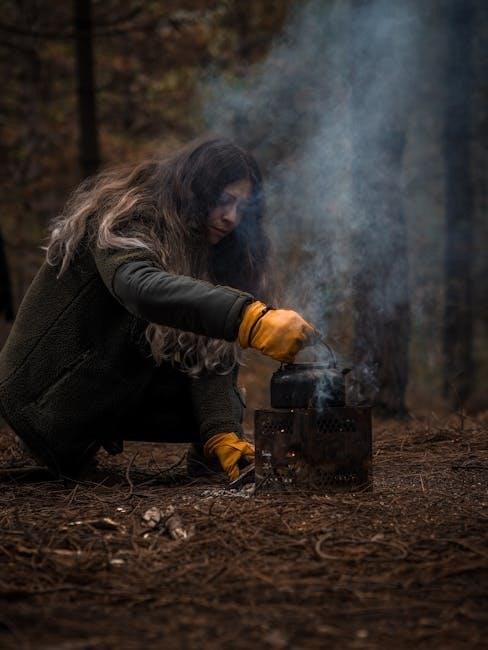
Advanced Survival Techniques

Advanced techniques include solar stills for water extraction and creating intricate traps for food. These methods enhance sustainability and efficiency, crucial for experienced wilderness survivors.
13.1 Using Solar Still for Water Extraction
A solar still is a simple, effective method to extract water from plants or muddy soil. Dig a hole, place a container in the center, and cover it with plastic. Weight the center to create a depression. As the sun heats the ground, water evaporates, condenses on the plastic, and drips into the container, providing clean drinking water without filtration or chemicals.
13.2 Creating Traps for Food
Creating traps for food is essential for long-term survival. Use materials like cordage, sticks, and rocks to craft snares, pitfalls, or trigger traps. Snares work for small game, while larger traps target bigger prey. Ensure traps are safe, ethical, and legal. Practice building and setting traps to improve efficiency and success in securing a sustainable food source in the wilderness.
Wilderness survival demands preparation, adaptability, and resilience. Stay positive, resourceful, and informed to enhance your chances of thriving in challenging environments. Continuous learning ensures readiness.
14.1 Summarizing Key Survival Strategies
Wilderness survival hinges on mastering essential skills: finding water, building shelter, starting fires, and navigating. Stay calm, conserve energy, and adapt to your environment. Prioritize water purification, food procurement, and signaling for help. Mental resilience and teamwork are vital. Always carry a survival kit and know how to use its tools. Continuous learning enhances your ability to thrive in challenging situations. Preparedness and the right mindset are your greatest allies.
14.2 Encouraging Continuous Learning
Continuous learning is vital for wilderness survival. Stay updated on new techniques, practice skills regularly, and learn from experts. Adapt strategies to different environments and scenarios. Knowledge enhances confidence and increases chances of survival. Encourage others to learn alongside you, fostering a culture of preparedness and resilience. Never stop improving your abilities to thrive in the wild.