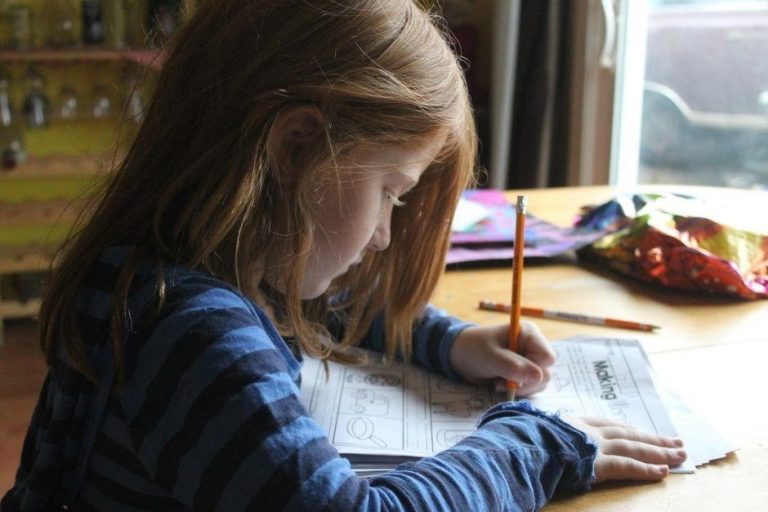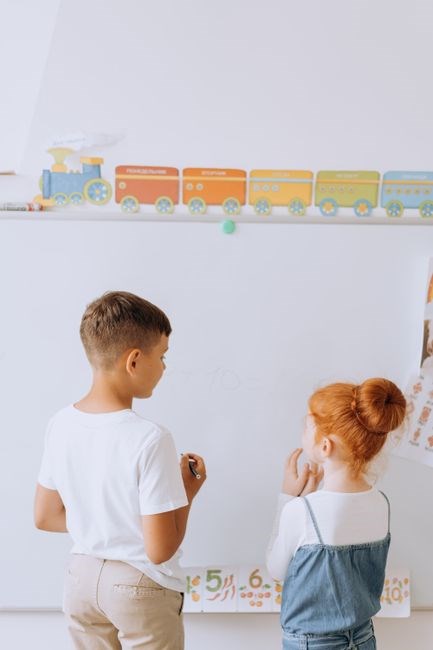
Before kindergarten, children should recognize letters, count to ten, and identify basic shapes. They should practice sharing, follow simple directions, and maintain personal hygiene. Early math concepts, phonemic awareness, and basic safety rules set a solid foundation. They also learn colors.!!
Purpose of the 2023 PDF Checklist
The 2023 kindergarten readiness PDF checklist serves as a comprehensive, evidence‑based tool that aligns with state standards and developmental milestones. It empowers parents, educators, and caregivers to assess a child’s readiness across key domains—cognitive, social‑emotional, physical, and health—before the first day of school. By systematically reviewing each item, families can identify strengths, acknowledge progress, and pinpoint areas needing support. The checklist also facilitates clear communication between home and classroom, ensuring that teachers receive accurate, up‑to‑date information about each student’s background. Additionally, it offers actionable recommendations for targeted interventions, enrichment activities, and transition strategies, helping children enter kindergarten with confidence and a solid foundation for lifelong learning.
Parents can use the checklist as a living document, updating it weekly or after each developmental assessment. Teachers can reference it during enrollment meetings, ensuring that any learning gaps are addressed before the school year begins. The PDF format allows easy printing, sharing via email, or embedding in a digital portfolio. By marking completed items, families create a visual roadmap that highlights progress and motivates continued growth. The checklist’s structured layout also supports data collection for school administrators, who can track readiness trends across districts and identify systemic needs for targeted funding or professional development. Ultimately, the 2023 readiness checklist is a collaborative bridge that unites home, school, and community resources to foster a smooth, confident transition for every child.!
Social-Emotional Skills for Kindergarten
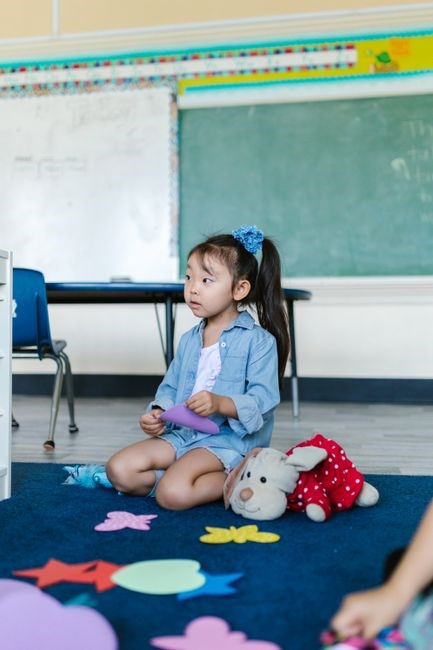
Before kindergarten, children should share, take turns, recognize feelings follow routines, and manage frustration. They greet peers, use polite words, and show empathy. These skills build confidence, support classroom harmony set the stage for learning.
Sharing, Turn-Taking, and Emotional Awareness
Before kindergarten, children should demonstrate the ability to share toys and materials, patiently wait their turn, and recognize others’ emotions. They learn to say “please” and “thank you,” respond to peers’ feelings, and practice empathy by offering comfort. Teachers assess these skills through simple group activities, such as passing a ball, rotating storytime, and role‑play scenarios. Parents can reinforce them by modeling respectful behavior, encouraging cooperative play, and discussing feelings after a conflict. Consistent routines help children internalize turn‑taking rules, while emotional labeling—identifying feelings like “happy,” “sad,” or “frustrated”—builds self‑regulation. By the time they enter kindergarten, children should feel confident in sharing, waiting, and recognizing emotions, setting a strong foundation for social success.
Children also practice waiting in line, using “I’m waiting” phrases, and recognizing when someone needs the next turn. They learn to ask for help politely and to apologize when they interrupt. By role‑playing scenarios, they internalize the idea that sharing is a way to build friendships and that emotions can be expressed through words or gestures. Parents can support this by praising cooperative play, discussing feelings after a disagreement, and modeling calm responses to frustration.
These practices help children transition smoothly into kindergarten, fostering confidence love.
Physical Development & Motor Skills
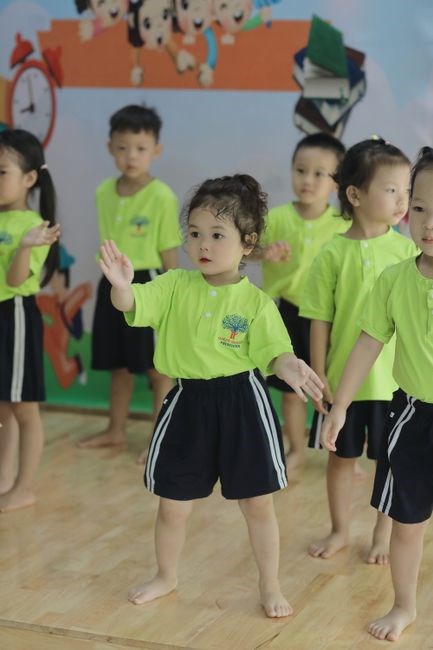
Children should hop, skip, and balance on one foot, cut with scissors, and use a pencil with a proper grip. They can tie shoelaces, stack blocks, and follow simple movement patterns. Fine motor tasks include drawing shapes and threading beads. Enjoy! 🙂
Gross and Fine Motor Milestones for 2023
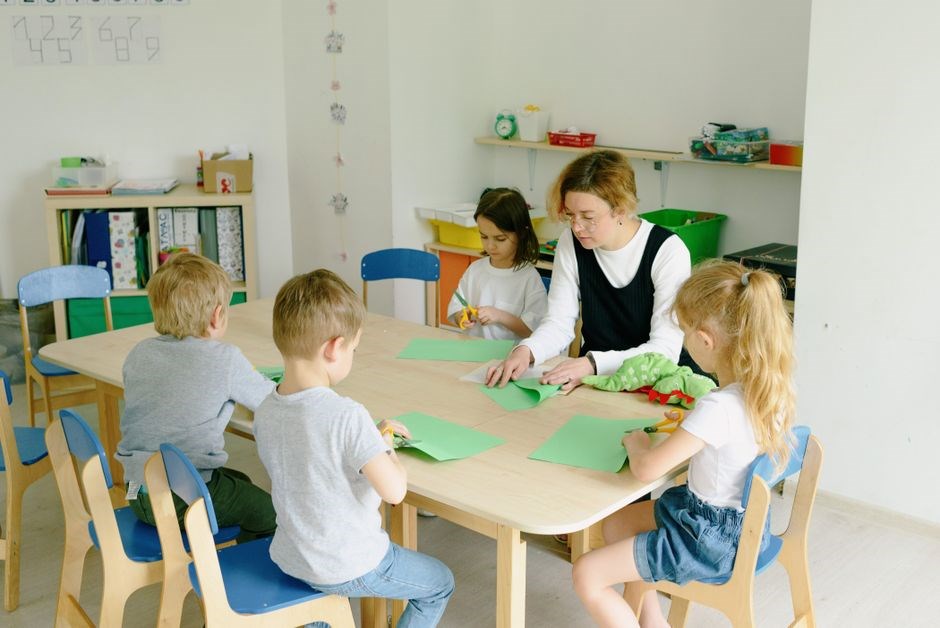
In 2023, children should demonstrate a range of gross motor capabilities that support classroom participation and physical play. They can gallop, slide, hop, leap, and skip with coordination, maintaining balance while moving forward or turning. They should be able to climb safely on playground equipment, use a ladder with both hands, and step onto a curb without tripping. Fine motor skill expectations include using scissors to cut along straight lines, drawing simple shapes such as circles, squares, and triangles. Children should be able to hold a pencil or crayon with a tripod grasp, making controlled strokes for writing letters. Threading activities, such as stringing beads or lacing cards, help develop hand‑eye coordination and fine dexterity. Additionally, they should be able to open and close zippers, button shirts, and tie shoelaces with minimal assistance. These milestones provide a foundation for classroom tasks, such as cutting paper for art projects, using scissors for craft, and maintaining personal hygiene. Parents can support these skills by offering daily practice opportunities, encouraging independent play, and providing age‑appropriate tools. By meeting these gross and fine motor benchmarks, children will feel confident and ready for the dynamic environment of kindergarten. Teachers and caregivers can assess readiness through play‑based observations, noting how children navigate group activities, handle shared materials, and respond to simple instructions. Growth soon!?
Cognitive & Language Development
Children should recognize 26 letters, name 10 colors, count to 20, and identify basic shapes. They should use simple sentences, ask questions, and follow 2‑step directions. Early phonics, rhyming, and story comprehension build foundational skills for all kids
Letter Recognition, Phonics, and Early Math Skills
Before kindergarten, children should be able to identify all uppercase and lowercase letters, recognize letter sounds, and match letters to corresponding words. They should know the alphabet song, count from 1 to 20, and identify basic shapes such as circles, squares, triangles, and rectangles. Early phonics instruction includes blending consonant and vowel sounds to form simple words like “cat,” “dog,” and “pig.” Children should also be familiar with the concept of numbers, understand that numbers represent quantities, and be able to match numerals to sets of objects. They should practice counting objects aloud, reciting number sequences, and recognize patterns such as “two, four, six.” Additionally, children should be able to identify colors, understand the difference between primary and secondary colors, and use descriptive language to talk about their surroundings. They should also be comfortable with basic measurement concepts, such as comparing lengths (longer, shorter) and weights (heavier, lighter). Finally, children should demonstrate early problem‑solving skills by following simple instructions, using logic to complete tasks, and asking clarifying questions when needed. Additionally, parents should encourage curiosity by asking open‑ended questions, providing books with diverse characters, and celebrating small achievements, which fosters a love for learning and builds confidence for the upcoming school year. This collaborative approach builds confidence growth.
Health & Safety Essentials
Parents should ensure up‑to‑date vaccination records, daily handwashing, and a healthy snack routine. Children should know to ask for help, recognize safe adults, and follow classroom rules. A simple emergency plan and clear contact info help keep kids secure. and practice safe hand‑washing daily.!!
Vaccination Records and Daily Hygiene Practices
Before kindergarten, parents must compile a comprehensive immunization record that includes Hepatitis B, DTaP, IPV, MMR, varicella, and polio shots, as recommended by the CDC. The record should list dates, vaccine lot numbers, and any adverse reactions. Schools often require a signed health form and a recent physical exam. Parents should also provide a current flu shot if available, especially during peak influenza season. In addition to vaccines, daily hygiene routines are essential for a child’s health and classroom safety. Children should practice proper handwashing with soap for at least 20 seconds before meals, after using the restroom, and after outdoor play. They should learn to rinse their mouths after brushing, use a hand sanitizer when soap is unavailable, and avoid touching their face. Proper use of tissues and disposal of wipes in a trash bin is also taught. Parents encourage children to keep personal items clean, such as wiping down their backpack, lunchbox, and water bottle. Daily hygiene practices help reduce the spread of germs and promote a healthy learning environment. Teachers often reinforce these habits by setting up handwashing stations, displaying posters, and incorporating short “hand‑washing songs” into the routine. By establishing a routine at home and reinforcing it at school, children develop lifelong habits that support their well‑being and academic success. Keep up! !!!
Parent Preparation & Transition Tips
Set a consistent bedtime, practice morning routines, and introduce the school schedule. Visit the classroom, discuss expectations, and encourage independent play. Keep communication open with teachers, share concerns, and maintain a positive, supportive environment for smooth transition today!!!!
Establishing Routines and Communicating with Teachers
Creating a predictable daily rhythm helps children feel secure as they transition to kindergarten. Start by aligning bedtime, wake‑up, and meal times with the school schedule. Practice the morning routine—getting dressed, brushing teeth, and packing the backpack—so the child can manage these tasks independently. Use a visual schedule or a simple checklist to reinforce consistency. Effective communication with teachers builds a partnership that supports learning. Send a brief introduction email before the first day, including the child’s name, age, any allergies, and a favorite activity. Keep the tone friendly and open. During the school year, schedule regular check‑ins—either via email, a quick phone call, or the school’s communication platform to discuss progress, behavior, and any emerging concerns. Share observations from home that may help the teacher tailor support; Encourage your child to talk about their day. Ask open‑ended questions such as, “What was your favorite part of school today?” or “Did anything surprise you?” This practice not only boosts language skills but also provides teachers with valuable insights into the child’s social and emotional development. Finally, respect the teacher’s time and expertise. Attend parent‑teacher conferences, volunteer when possible, and express appreciation for the educator’s efforts. A collaborative, communicative approach benefits both the child and the classroom community. Check the checklist!!
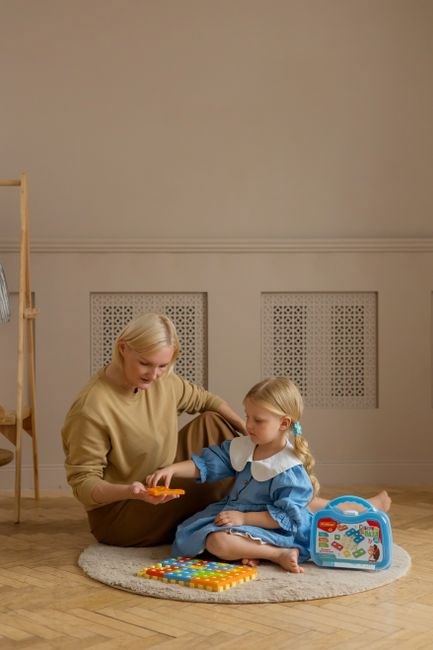
Resources & PDF Downloads
Download the 2023 Kindergarten Readiness Checklist PDF from state education website.! Access printable activity sheets, phonics guides, and motor skill trackers. Visit the Early Childhood Development portal for free templates and teacher‑parent communication tools.
Official State Standards and Printable Checklists
State‑wide kindergarten readiness standards outline core domains: literacy, numeracy, social‑emotional, and physical development. The 2023 checklist aligns with the Arkansas Child Development and Early Learning Standards, emphasizing letter recognition, counting to 20, basic shapes, and safe playground behavior. Teachers use the downloadable PDF to track each child’s progress, marking completed milestones such as identifying uppercase letters, naming colors, and following two‑step directions. Parents can access the same printable forms through the state education portal, ensuring consistency between home and school. The checklist also includes phonics cues, gross‑motor activities like hopping and skipping, and fine‑motor tasks such as cutting with scissors. By regularly reviewing the PDF, educators and families can identify gaps early, adjust instruction, and celebrate achievements. All resources are free, downloadable, and updated annually to reflect current research and policy changes.
Downloadable checklists are organized by developmental domains, allowing teachers to monitor progress in literacy, numeracy, and social skills. Parents can mark completed items at home, fostering consistency. The PDF includes a progress tracker, a summary of key milestones, and space for teacher comments. All documents are available in PDF and Word formats, ensuring accessibility for diverse families. Teachers can also download printable progress charts!!.
& Next Steps
Review progress, adjust routines, celebrate milestones. Use the 2023 PDF checklist to set realistic goals, communicate with teachers, and support learning at home. Stay engaged, track growth, and enjoy the journey toward kindergarten readiness. Keep the checklist and revisit it monthly to stay on track. Thanks!
Reviewing Progress and Adjusting the Plan
Use the 2023 PDF checklist as a living document. Begin by marking each skill your child has mastered, then identify gaps. Schedule a brief weekly review with your child, celebrating successes and discussing challenges in a supportive tone. Adjust the plan by adding targeted activities—such as letter‑matching games for phonics or short story circles for comprehension—based on observed needs. Incorporate daily routines that reinforce key concepts: a morning “letter of the day” ritual, a counting snack activity, and a brief safety‑check walk around the house. Encourage self‑assessment by letting your child point to a skill they feel confident in, fostering ownership of learning. Maintain open communication with teachers; share your weekly progress notes and ask for classroom reinforcement strategies. If progress stalls, consider a short, focused intervention, such as a two‑minute phoneme drill or a fine‑motor craft that builds hand strength. Keep the checklist updated, revisiting it every month to track growth and recalibrate goals. Celebrate milestones with a small reward or a family “reading night,” reinforcing the joy of learning. By staying flexible and responsive, you’ll help your child transition smoothly into kindergarten, equipped with confidence, foundational skills, and a growth mindset
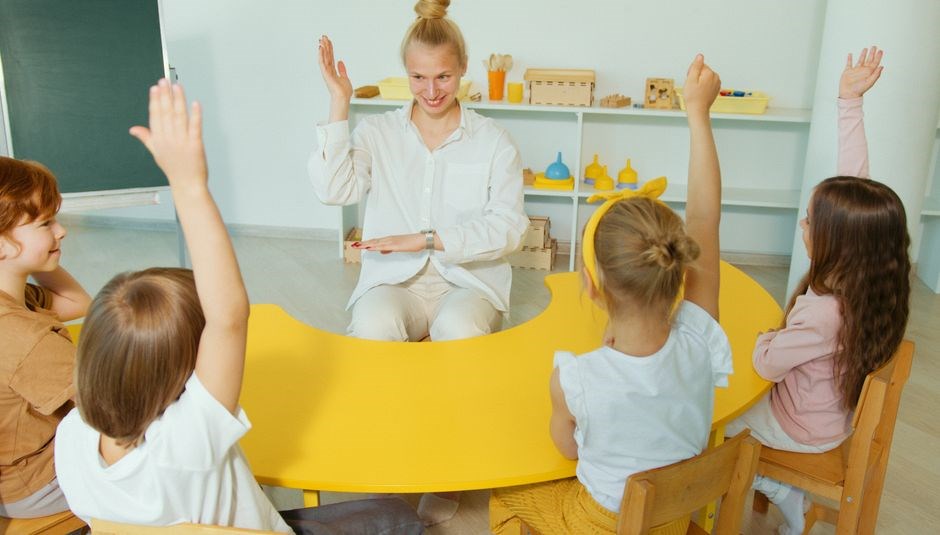
Additionally, set up a reward chart that tracks achievements, and involve your child in setting new goals. This collaborative approach reinforces motivation and helps parents gauge progress accurately. Remember to celebrate every small win, as positive reinforcement builds confidence and encourages a lifelong love of learning