
Subaru vehicles, renowned for their reliability, often share components across models. This guide explores parts compatibility, aiding owners in cost-effective repairs and upgrades.
Why Understanding Interchangeability Matters
Knowing which Subaru parts interchange is crucial for several reasons. Firstly, it expands your sourcing options beyond model-specific searches, potentially leading to significant cost savings on repairs. Original Equipment Manufacturer (OEM) parts can be expensive, and compatible alternatives from other Subaru lines offer a budget-friendly solution. Secondly, interchangeability knowledge is invaluable for modification projects, allowing enthusiasts to upgrade components using parts from higher-performance models like the WRX or STI.
However, it’s not always a simple swap; variations exist. Understanding these nuances—like differing piping diameters in exhaust systems or the need for welding—prevents costly mistakes and ensures proper fitment. Online forums and parts catalogs become essential resources for verifying compatibility before committing to a purchase.
Scope of This Guide
This guide aims to provide a comprehensive overview of Subaru parts interchangeability, covering a broad spectrum of vehicle systems. We will delve into engine, drivetrain, body, interior, electrical, suspension, and braking components, highlighting common compatibility patterns across models like the Forester, Impreza, Legacy, Outback, and WRX/STI.
The focus will be on identifying parts that can be directly swapped or modified for fitment, acknowledging year-to-year variations and potential challenges. While striving for thoroughness, this guide serves as a starting point; always verify fitment using parts catalogs and community resources before making any purchases or modifications.
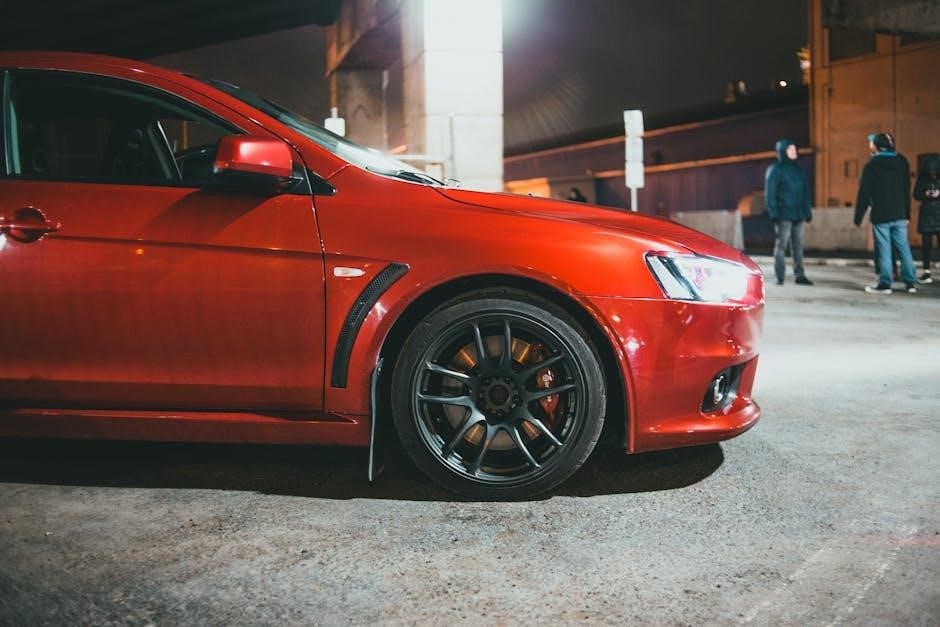
Engine Components
Subaru engines share platforms, but compatibility varies. Turbochargers from WRX/STI models can fit Foresters/Imprezas, though exhaust piping diameters require attention.
Engine Blocks: Common Platforms
Subaru frequently utilizes common engine block platforms across various models, enhancing parts availability and simplifying upgrades. For instance, the EJ25 series engine, found in older Foresters, Imprezas, and even some Outbacks, shares core components. However, subtle differences exist between years and specific applications. While a block from a 2002 Forester might physically fit a 2003 Baja, internal components like pistons and crankshafts could vary, necessitating careful matching.
Understanding these nuances is crucial. Blocks from turbocharged engines (like the WRX) often have different oil squirters and strengthening features compared to naturally aspirated versions. Direct swaps require verifying compatibility of these internal parts to avoid premature engine failure. Always consult parts diagrams and forums for specific year and model combinations.
Cylinder Heads: Compatibility Considerations
Subaru cylinder head interchange requires meticulous attention to detail. While heads within the same engine family (e.g., EJ25) can be swapped, variations exist. Turbocharged heads often feature different porting, valve sizes, and combustion chamber designs compared to naturally aspirated counterparts. Simply bolting a turbo head onto a naturally aspirated block won’t automatically yield increased performance; proper supporting modifications are essential.
Furthermore, AVCS (Active Valve Control System) implementation differs across years. Mismatched AVCS systems can lead to poor engine performance or even damage. Always verify the head’s casting number and research its specific features before attempting a swap; Compatibility charts and forum discussions are invaluable resources for confirming proper fitment and functionality.
Turbochargers: WRX/STI to Forester/Impreza
Subaru turbochargers from WRX and STI models can be fitted to Forester and Impreza platforms, but careful consideration is crucial. WRX/STI turbos generally have larger compressors and turbines, requiring modifications to the exhaust system and potentially the intake. Piping diameter differences are a significant concern; maintaining appropriate sizing is vital for optimal performance.
Direct bolt-on applications are rare. Expect to need custom fabrication or adapter piping. Furthermore, the ECU will require tuning to accommodate the increased airflow. Ignoring this step can lead to a lean condition and engine damage. Research specific turbocharger models and their compatibility with your target vehicle before proceeding.
Alternators & Starters: Year-to-Year Variations
Subaru alternators and starters exhibit compatibility across certain model years, but significant variations exist. While swapping between similar-generation Impreza and Forester units is often feasible, direct interchange isn’t guaranteed. A 2008 Impreza alternator might work with a 2005 Impreza, but verification is essential.
Pay close attention to amperage output and physical dimensions. Differences in mounting points or electrical connectors can occur. Always compare part numbers before purchasing a replacement. Upgrading to a higher-amperage alternator can support aftermarket electrical accessories, but ensure the wiring harness can handle the increased load.
Exhaust Systems: Piping Diameter Differences
Subaru exhaust system interchange requires careful consideration of piping diameters, particularly when sourcing parts from turbocharged models like the WRX. Turbo exhausts generally feature larger diameter piping compared to naturally aspirated engines, such as those found in some Foresters and Impreza RS models.
Using a turbo exhaust on a non-turbo engine isn’t typically recommended, as it can reduce exhaust gas velocity and potentially decrease low-end torque. Conversely, fitting a smaller diameter exhaust onto a turbo engine can restrict flow and hinder performance. Welding modifications are often necessary for a proper fit, potentially requiring professional expertise.
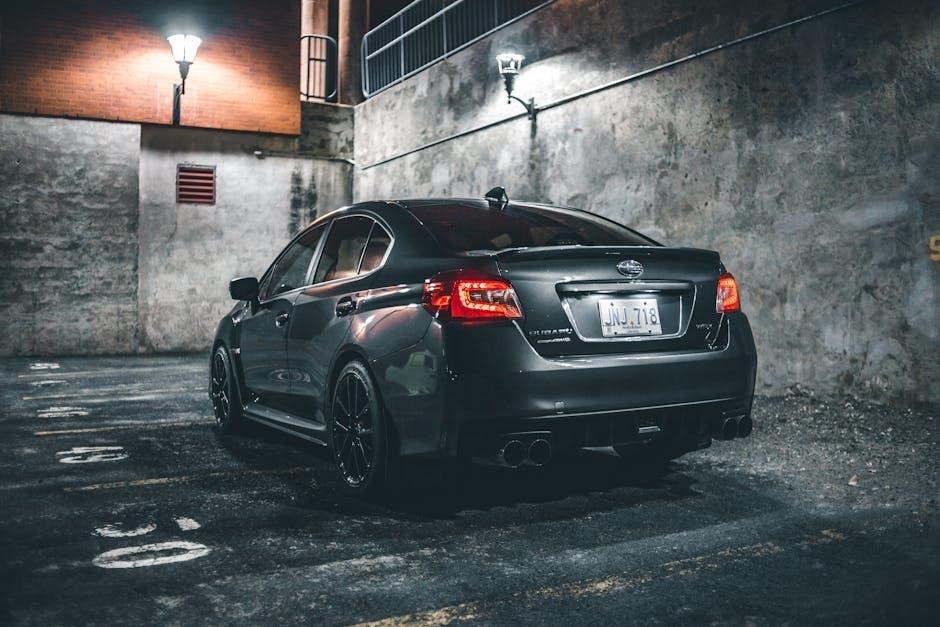
Drivetrain Components
Subaru drivetrain parts, like transmissions, driveshafts, and differentials, exhibit varied compatibility. Matching length, spline counts, and gear ratios is crucial for proper function.
Transmissions: Manual vs. Automatic
Subaru transmission interchangeability depends heavily on whether it’s a manual or automatic setup, and the specific engine it was paired with. Swapping between manual and automatic transmissions is a significant undertaking, requiring substantial modifications to the driveshaft, shifter linkages, and potentially the ECU. Generally, manual transmissions from similar-generation Impreza WRX/STI models can sometimes fit Foresters, but careful research is vital.
Automatic transmissions are often more model-specific. While some internal components might be shared, the overall casing and bellhousing patterns can differ. Ensuring the transmission code matches the engine and model year is paramount. Incorrect pairings can lead to performance issues or complete failure. Always verify compatibility using parts catalogs and forums before attempting a swap.
Driveshafts & Axles: Length and Spline Count
Subaru driveshaft and axle interchangeability is critically dependent on vehicle model and year. Length discrepancies are common when swapping between different models like the Forester and Impreza. Axles must match the transmission and differential types – front, rear, or center. Spline counts on the axles also need to align with the hubs and differential.
Using incorrect lengths can cause vibrations, premature wear, or even damage to the transmission or differential. When upgrading, ensure the new driveshaft or axle is specifically designed for your vehicle’s setup. Online forums often detail successful swaps, but always double-check specifications before purchasing.
Differentials: Front, Rear, and Center
Subaru differentials – front, rear, and center – exhibit varying levels of interchangeability; Swapping requires careful consideration of gear ratios and differential types (open, limited-slip, or locking). Forester and Impreza differentials may share some compatibility, but specific years and models matter greatly.
Center differentials, crucial for symmetrical all-wheel drive, are often model-specific. Rear differentials from WRX/STI models may offer performance benefits but necessitate matching axle shafts. Incorrect ratios can negatively impact vehicle handling and fuel economy. Thorough research and verification are essential before attempting a differential swap.
Clutches: Matching to Engine Power
Subaru clutch interchangeability hinges on engine torque capacity. Upgrading to a higher-performance clutch is common when increasing engine power through modifications or swapping engines. A stock clutch from a lower-powered engine won’t withstand the demands of a turbocharged WRX engine, for example.
Consider the pressure plate clamping force and disc material when selecting a clutch. Compatibility exists between some Impreza and Forester models, but always match the clutch to the engine’s output. Failure to do so results in premature wear or clutch slippage, potentially causing transmission damage.

Body & Exterior Parts
Exterior components like bumpers and fenders exhibit model-specific fitment, while doors and hatchbacks have limited interchangeability. Headlights and taillights vary by bulb type.
Bumpers: Model-Specific Fitment
Subaru bumper interchange is often restricted due to unique model designs and mounting points. While some Forester and Impreza bumpers might share similarities, direct bolt-on compatibility is rare, especially across different generations. Expect modifications or fabrication for a secure fit. WRX and STI bumpers, designed for wider bodies and performance features, generally won’t align with standard Forester or Legacy models without extensive bodywork.
Careful consideration of year ranges is crucial; even within the same model line, bumper designs can change. Online forums suggest that Baja bumpers show some compatibility with earlier Forester models, but verification is essential. Always prioritize safety and structural integrity when attempting bumper swaps, ensuring proper crash protection is maintained.
Hoods & Fenders: Potential for Interchange
Subaru hoods and fenders exhibit moderate interchangeability, primarily within the same generation and model family. Forester and Impreza models often share similar front-end structures, allowing for potential swaps, though minor adjustments to mounting points may be necessary. However, variations exist; a WRX hood won’t directly fit a Forester due to differing widths and scoop designs.
Fenders, particularly, can be swapped between Legacy, Outback, and Forester models of similar years, but headlight and bumper alignment must be checked. Online resources highlight that careful examination of the fender’s inner structure is vital before purchase. Always confirm fitment before committing to a swap to avoid costly modifications.
Doors & Hatchbacks: Limited Interchangeability
Subaru doors and hatchbacks demonstrate the most limited interchangeability compared to other body panels. Significant differences in body lines, door shell shapes, and wiring harness routing restrict swaps to nearly identical models and years. A Forester door won’t fit an Impreza, and even within Forester generations, variations exist.
Hatchbacks, especially, are model-specific due to differing rear quarter panel designs. While the basic door structure might be similar across some models, the internal mechanisms, window regulators, and lock systems are rarely compatible. Attempting a swap requires extensive modification and is generally not recommended due to safety concerns and potential fitment issues.
Headlights & Taillights: Bulb Types and Connectors
Subaru headlight and taillight interchangeability varies significantly. While bulb types (H4, H7, 9005/9006) are often consistent within a generation, connector compatibility isn’t guaranteed. Early models may use different connectors than later ones, even within the same vehicle line. Upgrading or swapping requires careful consideration of wiring harness compatibility.
Model-specific designs further complicate matters. Forester headlights won’t directly fit an Impreza without modification. Aftermarket headlights often address these issues, but OEM swaps demand verifying connector types and potentially rewiring. Tail lights exhibit similar challenges, with variations in mounting points and bulb socket designs.
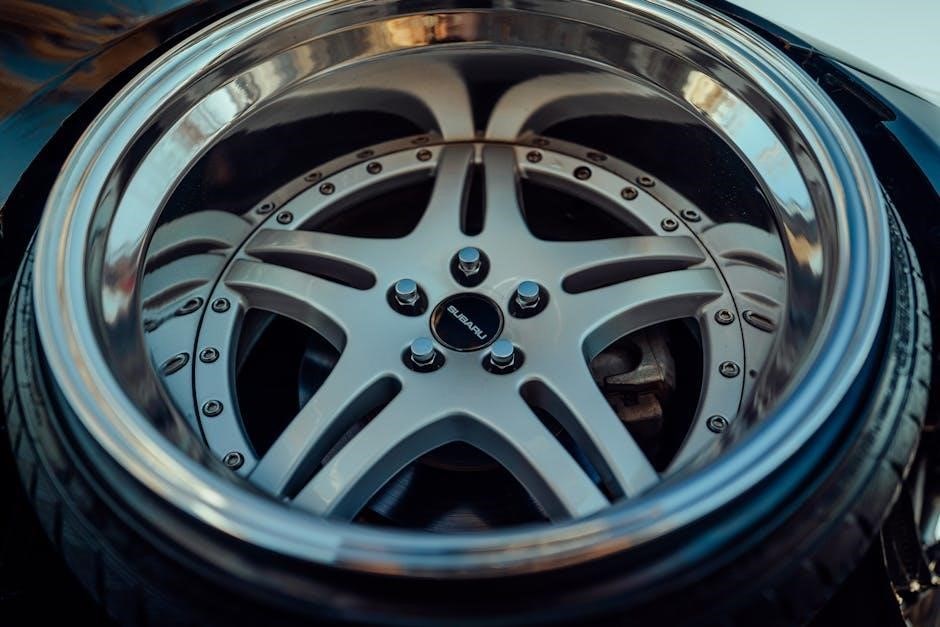
Interior Components
Subaru interiors offer limited interchangeability; dashboards and consoles are model-year specific. Seats may fit, but bolt patterns differ, requiring adapters for secure installation.
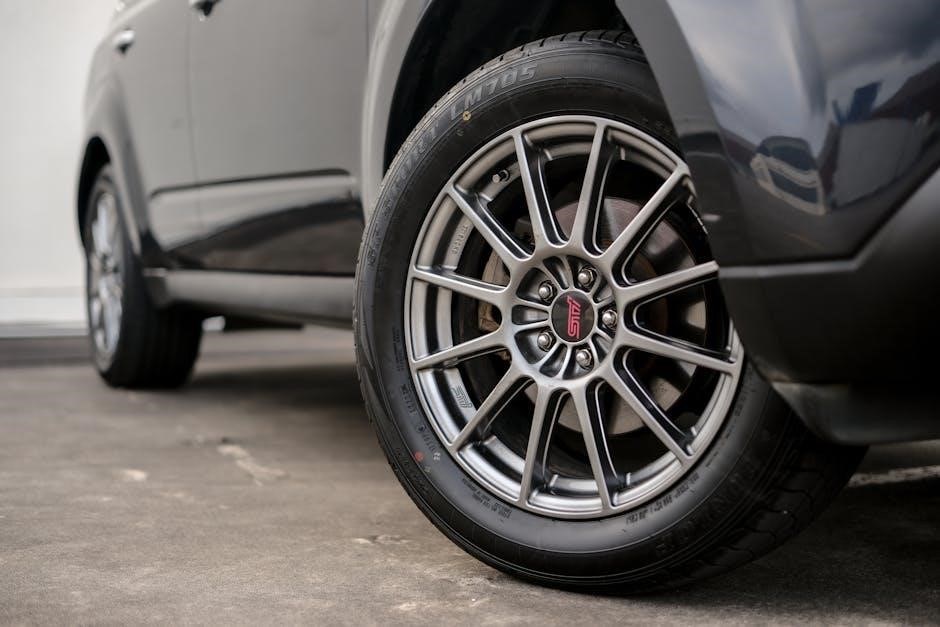
Seats: Bolt Patterns and Compatibility
Subaru seat interchange isn’t always straightforward, demanding careful consideration. While seats can be swapped between certain models, particularly within the same generation, bolt patterns frequently vary; Expect differences between Forester, Impreza, and even Legacy seats. Direct bolt-in replacements are rare, often necessitating adapter brackets or welding modifications for a secure fit.
Furthermore, features like heated seats or power adjustments may not function correctly without corresponding wiring harness modifications. Always verify the seat’s mounting points and electrical connections before attempting an installation. Compatibility charts, found on Subaru enthusiast forums, can provide valuable insights, but physical test-fitting is always recommended to confirm proper alignment and safety.
Dashboards & Consoles: Model-Year Specific
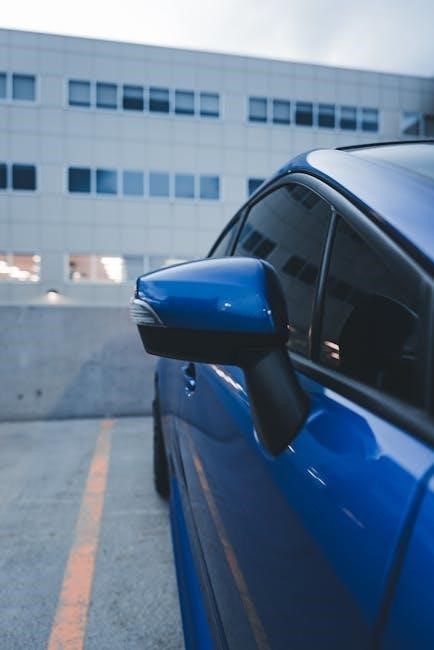
Subaru dashboards and center consoles exhibit significant model-year specificity, making direct swaps challenging. Differences in ventilation layouts, instrument cluster designs, and airbag integration mean compatibility is limited, even within the same model line. A 2002 Forester dashboard will likely not fit a 2008 Forester without substantial modification.
Wiring harness connectors and mounting points also change frequently. Attempting to install an incompatible dashboard can compromise airbag functionality, posing a serious safety risk. Thorough research, including parts diagrams and forum discussions, is crucial. Expect to address wiring discrepancies and potentially fabricate custom mounting solutions for a successful, safe installation.
Steering Wheels: Airbag Considerations
Subaru steering wheel interchange requires extreme caution due to integrated airbag systems. Swapping steering wheels between models or years is possible, but only if both wheels have compatible airbag designs and connector types. Incorrect installation can disable the airbag or, worse, cause it to deploy unexpectedly.
Always disconnect the battery before working with the airbag system. Verify that the steering wheel clock spring is compatible, as this component transmits electrical signals to the airbag. Improperly installed clock springs can also lead to airbag malfunctions. Professional installation is strongly recommended to ensure safety and proper functionality.
Shifters: Minor Modifications May Be Needed
Subaru shifters can sometimes be swapped between models, particularly within the same generation, but often require minor adjustments. While a shifter from a WRX might physically fit into a Forester, slight differences in mounting points or linkage geometry may exist. These discrepancies can result in imprecise shifting or require adjustments to the shift cables.
Factory Five Forums suggest shifters are “very slightly different, but will work.” Expect to potentially modify the surrounding console trim or the shifter base itself for a seamless fit. Thorough research and test fitting are crucial before finalizing any shifter swap.
Electrical Systems
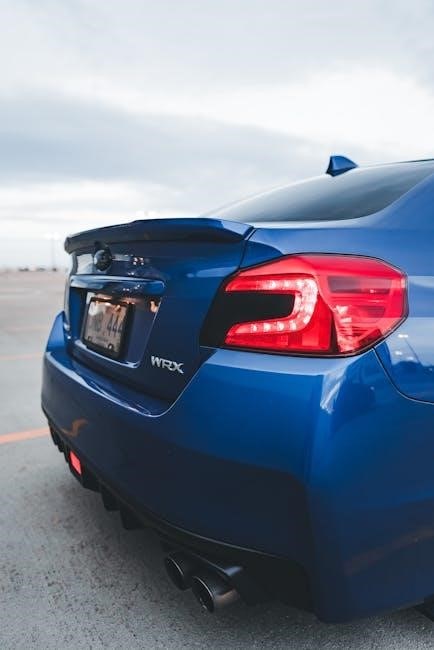
Subaru electrical components present challenges due to wiring harness complexity. ECU matching is critical, and sensor interchange is common, but verify connectors carefully.
Wiring Harnesses: Complexity and Compatibility
Subaru wiring harnesses are notoriously complex, making direct swaps between models difficult. While some connectors may appear similar, pinouts and wiring schemes often differ significantly. Attempting to directly install a harness from a different model year or vehicle can lead to electrical malfunctions, potentially damaging sensitive components like the ECU.
Modifications are frequently required, involving splicing, re-pinning, or even creating custom wiring solutions. It’s crucial to thoroughly research the specific wiring diagrams for both the donor and recipient vehicles before undertaking any harness modifications. Improper wiring can disable safety features or cause unexpected operational issues. Professional installation is highly recommended for complex harness integrations, ensuring compatibility and preventing costly errors.
ECUs (Engine Control Units): Matching to Engine
Subaru ECUs are highly specific to the engine and transmission combination they control. Swapping ECUs between different engine types (e.g., naturally aspirated to turbocharged) is generally not recommended without extensive modifications. Even within the same engine family, variations in model year or features can necessitate ECU recalibration or reprogramming.
Using an incompatible ECU can result in incorrect fuel delivery, ignition timing, and sensor readings, leading to poor performance or engine damage. When replacing an ECU, it’s best to find a direct replacement with the same part number. If using a different ECU, professional tuning is essential to ensure proper engine operation and emissions compliance.
Sensors: Common Subaru Sensors
Subaru utilizes many common sensors across various models and years, increasing interchangeability. Oxygen sensors, crankshaft position sensors, camshaft position sensors, and mass airflow sensors often fit multiple generations; However, connector shapes or wiring configurations can differ, requiring adapter harnesses or connector pigtails.
Always verify the sensor’s part number and connector type before installation. While many sensors are physically interchangeable, the ECU calibration must be compatible with the sensor’s output characteristics. Using an incorrect sensor can trigger check engine lights or affect engine performance. Careful research and part number verification are crucial.
Switches & Relays: Universal Applications
Subaru switches and relays demonstrate significant interchangeability due to standardized designs. Many window switches, door lock switches, and various relays (fuel pump, starter, etc.) function across different Subaru models and even generations. However, confirm the amperage rating and pin configuration matches the original component.
Connector shapes are generally consistent, simplifying installation. While many are universally applicable, some model-specific features might require unique switches. Always double-check the part number and function before assuming compatibility. Utilizing online forums and parts diagrams aids in accurate identification and ensures proper operation.
Suspension & Brakes
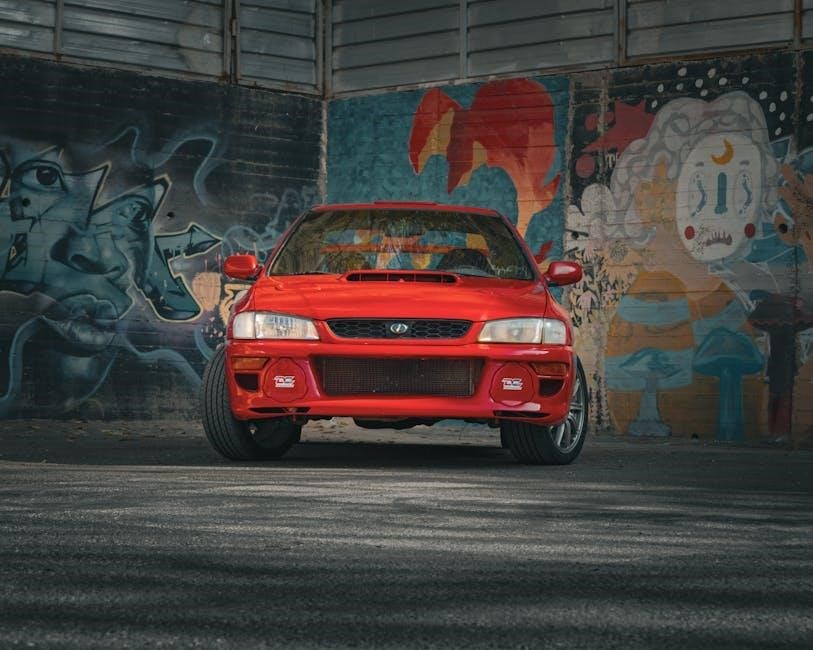
Subaru suspension and brake components often interchange within generations, offering upgrade paths. Caliper and rotor sizes dictate compatibility, requiring careful consideration for fitment.
Struts & Shocks: Interchangeable Within Generations
Generally, Subaru struts and shocks exhibit considerable interchangeability within the same generation of vehicles. This means components from a Forester, Impreza, Legacy, or Outback of the same year range often directly bolt into another. However, significant differences arise when crossing generational lines. For example, struts from a 2002 model will likely not fit a 2010 model without potential modifications or adapter sleeves.
When swapping, consider spring rates and damping characteristics. A Forester’s softer setup might not be ideal for a performance-oriented Impreza WRX. Always verify the part number and physical dimensions before purchasing to ensure proper fitment and optimal handling. Upgrading within a generation is often a straightforward and cost-effective solution.
Brake Calipers & Rotors: Size and Compatibility
Subaru brake caliper and rotor interchangeability depends heavily on model and year. While some components share bolt patterns, rotor sizes vary significantly, especially between naturally aspirated and turbocharged models. WRX and STI calipers, featuring larger pistons, are often sought for upgrades on Foresters and Imprezas, but require larger rotors to match.
Direct swaps are more common within the same model line. However, ensure the rotor diameter and thickness are compatible with the caliper. Mixing and matching without proper consideration can lead to reduced braking performance or even safety hazards. Always verify specifications and consider brake line length when upgrading caliper size.
Brake Lines: Material and Length
Subaru brake line interchange requires careful attention to both material and length. Original lines are typically rubber, but stainless steel braided lines are a popular upgrade for improved pedal feel and durability. When swapping between models, especially with caliper upgrades, line length is critical.
Longer lines are needed when increasing caliper size or modifying suspension lift. Using lines that are too short can damage the lines or calipers. Ensure compatibility with the master cylinder and ABS system. Consider banjo bolt sizes and thread pitches during installation. Always bleed the brake system thoroughly after any line replacement.
Suspension Bushings: Common Subaru Sizes
Subaru suspension bushings exhibit some interchangeability, particularly within similar generations. Many bushings share common diameters, simplifying upgrades or replacements. However, variations exist based on model and intended use – WRX/STI bushings are often stiffer than those found in Foresters or Outbacks.
When swapping, verify bushing dimensions and durometer (hardness). Control arm bushings, sway bar bushings, and strut mount bushings are frequent upgrade points. Polyurethane bushings offer increased stiffness but can transmit more NVH (noise, vibration, and harshness). Always use a quality bushing press for proper installation to avoid damage.
Resources & Further Research
Online forums, parts catalogs, and technical websites provide invaluable data for Subaru interchangeability. Always double-check fitment before purchasing any components.
Online Subaru Forums & Communities
Subaru enthusiasts frequently share valuable interchangeability information on dedicated online forums. Websites like Subaru Forester Owners Forum and Ultimate Subaru Message Board host extensive threads detailing successful parts swaps between models. These communities are excellent resources for specific year and model compatibility questions, offering real-world experiences and insights.
Searching these forums using keywords related to your desired parts and vehicle years can quickly reveal relevant discussions. Remember to verify information found online with official parts diagrams or a Subaru specialist, as user-submitted data may vary in accuracy. Active participation in these communities can also provide access to expert advice and troubleshooting assistance.
Parts Catalogs & Diagrams
Subaru’s official electronic parts catalogs are invaluable tools for verifying interchangeability. These catalogs, often accessible through Subaru dealerships or online parts retailers, display detailed diagrams illustrating component breakdowns and parts numbers. Comparing parts numbers across different models and years is a reliable method for confirming compatibility.
However, even with catalogs, subtle variations can exist. Cross-referencing diagrams with community forums can provide additional clarity. Be mindful that catalogs may not always reflect every possible interchange, especially for aftermarket or modified parts. Utilizing these resources alongside forum discussions offers a comprehensive approach to ensuring correct parts selection.
Subaru Technical Information Websites
Several websites specialize in Subaru technical information, offering valuable insights into parts interchangeability. These resources often compile community knowledge, technical service bulletins, and detailed compatibility charts. They frequently delve deeper than standard parts catalogs, addressing nuances and potential fitment issues.
Dedicated Subaru enthusiast sites often host extensive databases and forums where users share their experiences with parts swaps. Always critically evaluate information found on these platforms, cross-referencing with multiple sources. Remember that user-generated content may not always be entirely accurate, but can provide helpful starting points for research.
This guide provides general information regarding Subaru parts interchangeability, but it should not be considered a definitive source. Vehicle modifications and parts swaps carry inherent risks, and compatibility can vary based on specific year, model, and trim level.
Always independently verify fitment before purchasing or installing any parts. Utilize parts catalogs, consult with experienced Subaru technicians, and cross-reference parts numbers whenever possible. We are not responsible for any issues arising from incorrect parts selection or installation. Prioritize safety and proper installation procedures.