A button-up shirt size guide helps ensure a perfect fit by providing measurements for neck, chest, sleeve length, and waist. It aids in selecting the right size,
considering different fits like regular, slim, or athletic. Proper fit enhances comfort and style, making size guides essential for shoppers. They vary by brand, so
consulting the specific guide ensures accuracy. A well-fitting shirt boosts confidence and complements overall appearance, making size guides a valuable tool for every buyer.
1.1 Importance of Proper Fit
A proper fit is essential for comfort, style, and confidence. A shirt that is too tight can restrict movement and appear unflattering, while one that is too loose may look sloppy.
Button-up shirts are designed to fit various body types, from regular to slim or athletic fits. Ensuring the right fit enhances the shirt’s functionality and aesthetic appeal.
Measurements like neck size, sleeve length, chest, and waist are critical. Even minor discrepancies can affect how the shirt sits on the body. Proper fit ensures the shirt drapes
well, allowing for a polished look. It also prevents issues like buttons gaping or sleeves being too short. Investing time in finding the right size ensures long-term satisfaction
and versatility for different occasions. Proper fit is not just about looks; it’s about comfort and practicality, making it a cornerstone of a well-curated wardrobe.
1.2 Understanding Size Variations
Button-up shirt sizes vary significantly across brands, making it crucial to understand these differences. While some brands offer standard numerical sizing, others use alphabetical
labels like Small, Medium, or Large. Additionally, specialized fits such as Slim Fit or Athletic Fit cater to different body types. Some brands also provide extended sizes
for larger or smaller frames, ensuring inclusivity. Measurements like neck circumference, chest width, and sleeve length differ slightly between brands, so consulting a size guide
is essential. Even within the same brand, variations in fabric or style can affect fit. Recognizing these size variations helps shoppers make informed decisions, ensuring a
flattering and comfortable fit regardless of the brand or style chosen. Understanding these nuances is key to navigating the diverse world of button-up shirts effectively.
1.3 Purpose of a Size Guide
The primary purpose of a size guide for button-up shirts is to assist customers in selecting the most appropriate size for a perfect fit. It serves as a
reference tool, providing detailed measurements and sizing standards. By offering precise data on neck, chest, sleeve length, and waist, it helps eliminate guesswork and reduces the
likelihood of purchasing an ill-fitting shirt. Additionally, size guides cater to diverse body types and preferences, ensuring that each individual can find a shirt that complements their
physique. They also help bridge the gap between different brands’ sizing variations, offering a consistent reference point. Ultimately, a size guide enhances the shopping experience by
empowering customers with the information needed to make confident purchasing decisions, ensuring satisfaction and minimizing returns. It is an essential resource for both online and in-store shoppers.
Understanding Measurements for Button-Up Shirts
Accurate measurements are crucial for a perfect fit. Key measurements include neck size, sleeve length, chest, waist, and cuff. Each impacts fit and style, ensuring comfort and a tailored appearance.
2.1 Neck Size Measurement
Neck size is a critical measurement for button-up shirts, as it determines the collar fit. To measure, place a flexible tape measure around the base of your neck, leveling it just above the Adam’s apple. The tape should be snug but not tight, allowing space for one finger to slide comfortably underneath. Round the measurement to the nearest half inch. This measurement aligns with standard size charts, ensuring the collar sits comfortably without being restrictive. Accurate neck sizing is essential for both comfort and a polished appearance, making it the foundation of a well-fitted shirt. Always measure at the same spot for consistency and reliability.
2.2 Sleeve Length Measurement
Sleeve length is measured from the center back of the neck, over the shoulder, and down to the wrist. Stand upright with your arm slightly bent and your hand in a relaxed position. Place the tape measure at the base of the neck, directly below the Adam’s apple, and extend it over the shoulder, following the natural curve of the arm. The measurement ends at the wrist bone, just above where the hand begins. Ensure the tape is neither too tight nor too loose, as this affects accuracy. Proper sleeve length ensures the shirt cuffs sit correctly, offering both style and functionality. Accurate measurement is key for a tailored fit, avoiding sleeves that are either too short or overly long. Consistency across measurements ensures the best fit for comfort and appearance.
2.3 Chest Measurement

To measure the chest for a button-up shirt, use a flexible tape measure. Place the tape around the widest part of your chest, typically at nipple level, ensuring it’s not too tight or loose. Stand straight with your arms at your sides and take a deep breath in, then exhale slightly before measuring. Keep the tape level and parallel to the floor. This measurement determines the shirt’s roominess, affecting both comfort and appearance. Ensure the tape is just under the armpits to prevent slippage. Measurement is usually taken without bulky clothing for accuracy. This technique ensures the shirt fits well, avoiding restrictiveness or bagginess.
2.4 Waist Measurement
The waist measurement is crucial for ensuring a button-up shirt fits comfortably around the midsection. To measure accurately, stand straight and place a flexible tape measure around the narrowest part of your natural waistline, typically just above the hipbone. Keep the tape level and parallel to the floor, not too tight or loose. For most shirts, this measurement helps determine the tapering of the sides. If the shirt has darts or a tailored fit, the waist measurement ensures the fabric doesn’t feel restrictive. Measure over lightweight clothing for the best accuracy. This step ensures the shirt sits well on the body without excessive fabric or tightness.
2.5 Cuff Measurement
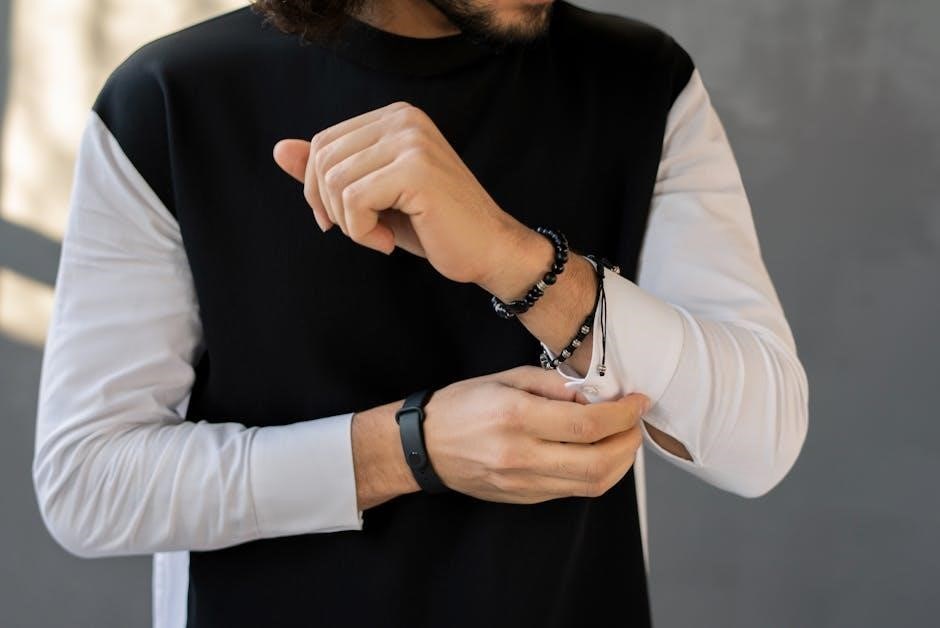
The cuff measurement is essential for ensuring the button-up shirt fits comfortably around the wrist. To measure accurately, wrap a flexible tape measure around the widest part of your wrist, just below the base of your hand. Keep the tape straight and not too tight or loose. This measurement helps determine the circumference of the cuff opening. For shirts with adjustable cuffs, this ensures the buttons or buttonholes align properly. Measure over a thin shirt or bare wrist for the best accuracy. A well-fitted cuff should neither restrict movement nor feel overly loose. This step ensures the cuffs complement the overall fit of the shirt, enhancing both comfort and style.
Types of Fits in Button-Up Shirts
Button-up shirts come in various fits, including regular, slim, and athletic. Each fit caters to different body types and personal style preferences, ensuring comfort and aesthetics.
3.1 Regular Fit
A regular fit button-up shirt offers a classic, comfortable style that suits most body types. It features a slightly relaxed silhouette with a broader chest and looser waist. Designed for everyday wear, this fit is ideal for those who prefer ease of movement without a snug, tailored look. Regular fit shirts are versatile and pair well with casual or formal attire. They are particularly flattering for individuals with average builds, as they balance comfort and style. The measurements typically allow for a full range of motion, making it a practical choice for both work and leisure settings. This fit is timeless and appeals to a wide audience.
3.2 Slim Fit
A slim fit button-up shirt is tailored to fit closely to the body, offering a modern and streamlined appearance. This style is designed for individuals with a lean or slim build, as it skims the torso without excess fabric. The sleeves are narrower, and the shirt tapers slightly at the waist for a more defined silhouette. Slim fit shirts are ideal for those who prefer a contemporary look and want to avoid bulkiness. They are versatile and can be dressed up or down, making them suitable for both casual and formal occasions. However, they may feel restrictive for those with broader builds or who prefer more room.
3.3 Athletic Fit
The athletic fit button-up shirt is designed for individuals with a muscular or athletic build, offering a balanced combination of comfort and structure. This fit features a broader chest and shoulder area to accommodate well-developed muscles, while maintaining a tailored look. The sleeves are slightly roomier than slim-fit shirts but not as loose as regular fits, providing ease of movement. Athletic fit shirts often have a slightly tapered waist to create a defined silhouette without feeling restrictive. They are ideal for those who want a shirt that complements their physique while still looking polished. This fit is versatile, suitable for both casual and semi-formal settings.
Fabric and Style Considerations
Fabric type and style significantly influence fit and comfort. Cotton offers breathability, while linen provides a relaxed look. Oxford and twill weaves add texture. Style details like collars, cuffs, and patterns can enhance or detract from sizing accuracy, making measurements crucial for the perfect fit.
4.1 Fabric Types and Fit
Different fabrics significantly impact the fit of a button-up shirt. Cotton is breathable and soft, suitable for most body types. Linen is lightweight, ideal for summer, offering a relaxed fit. Polyester blends durability but may lack softness. Stretch fabrics like those with elastane provide form-fitting comfort without tightness. Moisture-wicking fabrics are great for active wear, keeping you cool and dry; Tight weaves such as twill or oxford offer less stretch, while loose weaves like voile or chambray drape softly. Thicker fabrics like flannel add bulk, necessitating adjustments for a comfortable fit. Natural fibers are better for sensitive skin, ensuring breathability. Always consider fabric properties when choosing a size for optimal comfort and appearance.
4.2 Style Variations and Sizing
Button-up shirt styles vary widely, impacting sizing and fit. Classic Oxford shirts offer a timeless, slightly relaxed cut, while Slim Fit designs provide a modern, tailored look. Dress shirts often feature darts for shape, affecting chest and waist measurements. Casual styles, like linen or chambray shirts, may have a looser fit. Collar styles, such as spread or button-down, also influence measurements. Details like pockets or pleats can add bulk, requiring size adjustments. Understanding your body type and preferred style ensures a flattering fit. Always consider style elements when selecting a size to balance comfort and aesthetics. Proper sizing enhances both functionality and personal expression, making style a key factor in achieving the perfect fit.
Measuring Yourself for the Perfect Fit
Accurate measurements ensure a tailored fit. Use a flexible tape measure to record neck, chest, sleeve, and waist sizes. This step guarantees comfort and style.
5.1 Step-by-Step Measurement Guide
To ensure accuracy, start by wrapping a flexible tape measure around your neck at the base, where the collar sits, and record the circumference. Next, measure your chest by placing the tape under your armpits and across the fullest part of your chest, keeping the tape level. For sleeve length, measure from the center back of your neck to your wrist with your arm slightly bent. Finally, measure your waist by wrapping the tape around the narrowest point of your torso, usually just above your belly button. Take note of these measurements to compare with size charts for the best fit. Use a mirror to ensure the tape is level and not too tight. Accurate measurements are key to selecting the right size. Always use a flexible tape measure for the most precise results. Record your measurements carefully to avoid errors. This process ensures a tailored fit for your button-up shirt. By following these steps, you can determine your size confidently. Proper measurement prevents sizing issues and ensures comfort. Always double-check your numbers for accuracy. This step-by-step guide helps you achieve the perfect fit every time. Avoid guessing and rely on precise measurements for the best results. This method ensures your shirt fits well and looks great. Taking the time to measure correctly is essential for a polished appearance. Use these steps to find your ideal size effortlessly. Measuring yourself is a simple yet effective way to ensure a great fit. With these measurements, you can shop with confidence. Always prioritize accuracy for the best results. This guide provides a clear and straightforward way to measure yourself. By following these steps, you can avoid common sizing mistakes. Proper measurements are the foundation of a well-fitting shirt. Take your time and measure carefully for the best outcome. This step-by-step guide is your key to finding the perfect fit. Use it every time you shop for a button-up shirt. Accurate measurements ensure comfort and style. This process is designed to make sizing easy and precise. Follow these steps to enjoy a shirt that fits perfectly. Measuring yourself is a simple process that yields great results. With these steps, you can find your ideal size effortlessly. Always measure carefully to avoid sizing errors. This guide is your tool for achieving the perfect fit. Use it to enjoy a shirt that looks and feels great. Proper measurements are essential for a polished look. Take the time to measure yourself accurately for the best results. This step-by-step guide ensures a tailored fit every time. By following these instructions, you can shop with confidence. Accurate measurements are the key to finding your perfect size. Use this guide to avoid common sizing mistakes. Measuring yourself is a simple yet effective way to ensure a great fit. With these steps, you can achieve a shirt that fits perfectly. Always prioritize accurate measurements for the best results. This step-by-step guide is your solution for finding the ideal size. Use it every time you shop for a button-up shirt. Proper measurements ensure comfort and style. This process is designed to make sizing easy and precise. Follow these steps to enjoy a shirt that fits perfectly. Measuring yourself is a simple process that yields great results. With these steps, you can find your ideal size effortlessly; Always measure carefully to avoid sizing errors. This guide is your tool for achieving the perfect fit. Use it to enjoy a shirt that looks and feels great. Proper measurements are essential for a polished look. Take the time to measure yourself accurately for the best results. This step-by-step guide ensures a tailored fit every time. By following these instructions, you can shop with confidence. Accurate measurements are the key to finding your perfect size. Use this guide to avoid common sizing mistakes. Measuring yourself is a simple yet effective way to ensure a great fit. With these steps, you can achieve a shirt that fits perfectly. Always prioritize accurate measurements for the best results. This step-by-step guide is your solution for finding the ideal size. Use it every time you shop for a button-up shirt. Proper measurements ensure comfort and style. This process is designed to make sizing easy and precise. Follow these steps to enjoy a shirt that fits perfectly. Measuring yourself is a simple process that yields great results. With these steps, you can find your ideal size effortlessly. Always measure carefully to avoid sizing errors. This guide is your tool for achieving the perfect fit. Use it to enjoy a shirt that looks and feels great. Proper measurements are essential for a polished look. Take the time to measure yourself accurately for the best results. This step-by-step guide ensures a tailored fit every time. By following these instructions, you can shop with confidence. Accurate measurements are the key to finding your perfect size. Use this guide to avoid common sizing mistakes. Measuring yourself is a simple yet effective way to ensure a great fit. With these steps, you can achieve a shirt that fits perfectly; Always prioritize accurate measurements for the best results. This step-by-step guide is your solution for finding the ideal size. Use it every time you shop for a button-up shirt. Proper measurements ensure comfort and style. This process is designed to make sizing easy and precise. Follow these steps to enjoy a shirt that fits perfectly. Measuring yourself is a simple process that yields great results. With these steps, you can find your ideal size effortlessly. Always measure carefully to avoid sizing errors. This guide is your tool for achieving the perfect fit. Use it to enjoy a shirt that looks and feels great. Proper measurements are essential for a polished look. Take the time to measure yourself accurately for the best results. This step-by-step guide ensures a tailored fit every time. By following these instructions, you can shop with confidence. Accurate measurements are the key to finding your perfect size. Use this guide to avoid common sizing mistakes. Measuring yourself is a simple yet effective way to ensure a great fit. With these steps, you can achieve a shirt that fits perfectly. Always prioritize accurate measurements for the best results. This step-by-step guide is your solution for finding the ideal size. Use it every time you shop for a button-up shirt. Proper measurements ensure comfort and style. This process is designed to make sizing easy and precise. Follow these steps to enjoy a shirt that fits perfectly. Measuring yourself is a simple process that yields great results. With these steps, you can find your ideal size effortlessly. Always measure carefully to avoid sizing errors. This guide is your tool for achieving the perfect fit. Use it to enjoy a shirt that looks and feels great. Proper measurements are essential for a polished look. Take the time to measure yourself accurately for the best results. This step-by-step guide ensures a tailored fit every time. By following these instructions, you can shop with confidence. Accurate measurements are the key to finding your perfect size. Use this guide to avoid common sizing mistakes. Measuring yourself is a simple yet effective way to ensure a great fit. With these steps, you can achieve a shirt that fits perfectly. Always prioritize accurate measurements for the best results. This step-by-step guide is your solution for finding the ideal size. Use it every time you shop for a button-up shirt. Proper measurements ensure comfort and style. This process is designed to make sizing easy and precise. Follow these steps to enjoy a shirt that fits perfectly. Measuring yourself is a simple process that yields great results. With these steps, you can find your ideal size effortlessly. Always measure carefully to avoid sizing errors. This guide is your tool for achieving the perfect fit. Use it to enjoy a shirt that looks and feels great. Proper measurements are essential for a polished look. Take the time to measure yourself accurately for the best results. This step-by-step guide ensures a tailored fit every time. By following these instructions, you can shop with confidence. Accurate measurements are the key to finding your perfect size. Use this guide to avoid common sizing mistakes. Measuring yourself is a simple yet effective way to ensure a great fit. With these steps, you can achieve
5.2 Tools Needed for Measurement
To measure yourself accurately, you’ll need a few essential tools. A flexible tape measure is the most critical tool, as it allows you to take precise body measurements. A full-length mirror is helpful to ensure the tape measure is properly positioned. You’ll also need a pencil and paper to record your measurements. For some measurements, such as sleeve length, having someone assist you can improve accuracy. Ensure the tape measure is not too tight or too loose, as this can affect your results. Using these tools correctly will help you achieve precise measurements, making it easier to find the perfect fit for your button-up shirt. Proper tools are essential for accurate sizing. Always use a high-quality tape measure for the best results. Having a helper can make the process smoother, especially for hard-to-reach areas. Accurate measurements ensure a well-fitting shirt, so don’t skip using the right tools. This will save time and ensure satisfaction with your purchase. Using these tools correctly will help you achieve precise measurements, making it easier to find the perfect fit for your button-up shirt. Proper tools are essential for accurate sizing. Always use a high-quality tape measure for the best results. Having a helper can make the process smoother, especially for hard-to-reach areas. Accurate measurements ensure a well-fitting shirt, so don’t skip using the right tools. This will save time and ensure satisfaction with your purchase. Using these tools correctly will help you achieve precise measurements, making it easier to find the perfect fit for your button-up shirt. Proper tools are essential for accurate sizing. Always use a high-quality tape measure for the best results. Having a helper can make the process smoother, especially for hard-to-reach areas. Accurate measurements ensure a well-fitting shirt, so don’t skip using the right tools. This will save time and ensure satisfaction with your purchase. Using these tools correctly will help you achieve precise measurements, making it easier to find the perfect fit for your button-up shirt. Proper tools are essential for accurate sizing. Always use a high-quality tape measure for the best results. Having a helper can make the process smoother, especially for hard-to-reach areas. Accurate measurements ensure a well-fitting shirt, so don’t skip using the right tools. This will save time and ensure satisfaction with your purchase.

Button-Up Shirt Size Charts
Button-up shirt size charts provide a standardized guide to help determine the perfect fit. They include numerical, alphabetical, and big and tall sizes to cater to different body types. Using these charts ensures accurate comparisons between measurements and garment sizes for a well-fitting shirt.
6.1 Numerical Sizing Chart
A numerical sizing chart for button-up shirts organizes sizes based on specific measurements, typically ranging from 14 to 18 or higher for larger fits. These numbers correspond to chest and sleeve lengths, ensuring a tailored fit. For example, size 15 often represents a 15-inch chest circumference and a 32-inch sleeve length. The chart may also include half sizes for added precision. To use it effectively, measure your chest and preferred sleeve length, then match these to the numerical values provided. This system is particularly useful for those who prefer a more accurate fit compared to traditional small, medium, and large labels. Always refer to the specific brand’s chart, as numerical sizing can vary slightly between manufacturers.
6.2 Alphabetical Sizing Chart
An alphabetical sizing chart for button-up shirts uses letters like S, M, L, XL, and XXL to categorize sizes. These letters represent standard body measurements, with each size corresponding to specific chest and sleeve lengths. For example, a medium (M) typically fits a chest circumference of about 38-40 inches and a sleeve length of 32-33 inches. This system is widely used due to its simplicity and ease of understanding. However, alphabetical sizing can vary between brands, so it’s essential to check the specific measurements for each brand. This chart is particularly helpful for those who prefer a quick and straightforward sizing reference without the need for precise numerical measurements.
6.3 Big and Tall Sizing Chart
A Big and Tall sizing chart is designed for individuals who require larger and longer shirts, accommodating both height and girth. These sizes often combine numerical and alphabetical labels, such as 2XL Tall or 3XL Big, to ensure a comfortable fit. The chart typically includes measurements for chest circumference, sleeve length, and body length, catering to broader shoulders, longer torsos, and taller frames. For example, a 2XL Tall might have a chest measurement of 50-52 inches and a sleeve length of 35-36 inches. This chart is essential for those who find standard sizes too restrictive, providing a more inclusive and tailored fit. Always refer to the specific brand’s Big and Tall chart, as sizing can vary slightly between brands.
Common Fit Issues and Solutions
Common fit issues include sleeves too long/short, tight/loose chest, and uneven waist. Solutions involve alterations, size adjustments, or choosing styles that flatter your body type.
7.1 Issues with Sleeve Length
Sleeve length is a common fit issue, with shirts often being too long or too short. Sleeves that are too long can make the shirt look oversized, while short sleeves may appear ill-fitting, especially if they don’t align with the wrist; Incorrect sleeve length can disrupt the shirt’s proportions, affecting its overall aesthetic and functionality. This issue often stems from inaccurate measurements or variations in brand sizing standards. Proper sleeve length should allow for a small gap between the cuff and wrist, ensuring mobility and a polished look. Addressing sleeve length issues is crucial for achieving a balanced, tailored appearance in a button-up shirt.
7.2 Issues with Chest and Waist Fit
Chest and waist fit issues are common, impacting both comfort and style. A shirt that is too tight across the chest can restrict movement and create an unflattering, strained appearance. Conversely, a shirt that is too loose may lack definition, giving a boxy, ill-tailored look. Waist fit problems often arise when the shirt’s midsection does not align with the body’s natural shape, causing gapping or tightness. These issues can result from inaccurate measurements or body types that differ from standard sizing models. Proper chest and waist fit ensures a smooth silhouette, enhancing both functionality and visual appeal. Addressing these issues is essential for a shirt that feels and looks its best.

7.4 Solutions for Common Fit Problems
To address common fit issues, start by consulting a detailed size chart to ensure accurate measurements. Tailoring is a reliable solution for shirts that are slightly off, as minor adjustments can make a significant difference. For persistent problems, consider exploring different fits, such as slim or athletic cuts, which cater to specific body types. Additionally, using online tools or seeking advice from customer service can help determine the best size. Trying shirts on in person, when possible, provides the most accurate fit. Finally, paying attention to fabric stretch and style details can resolve issues like tightness or gapping. These strategies ensure a tailored, comfortable fit.

Tips for the Best Fit
Know your measurements to choose the right size. Try shirts on if possible, and consider fabric and style for comfort. Tailoring can refine the fit for perfection.
8.1 How to Choose the Right Size
Choosing the right size starts with accurate measurements. Use a size chart to match your neck, chest, and sleeve measurements. Consider your body type and preferred fit style. Check reviews for sizing feedback. Try shirts on if possible, ensuring ease of movement and a comfortable fit. Don’t hesitate to tailor for a precise fit. Fabric type can affect how a shirt drapes, so choose based on your needs. Compare sizes across brands, as sizing can vary. Opt for versatility by selecting a size that works for multiple occasions. Remember, fit is personal, so prioritize comfort and confidence.
8.2 Considerations for Body Type
Understanding your body type is crucial for selecting the right fit. Slim builds look best in tailored or slim-fit shirts, while athletic builds may prefer regular or relaxed fits to accommodate broader shoulders and chests. Larger body types can opt for classic fits with a bit more room for comfort. Petite frames benefit from shorter sleeves and a more fitted silhouette. Taller individuals should focus on sleeve length and chest measurements to ensure proportionality. Rectangle body types can balance their shape with styled cuffs or slightly tapered waists. Fabric weight and pattern scale should also align with your body type for a flattering appearance. Always consider comfort alongside aesthetics for the best fit.